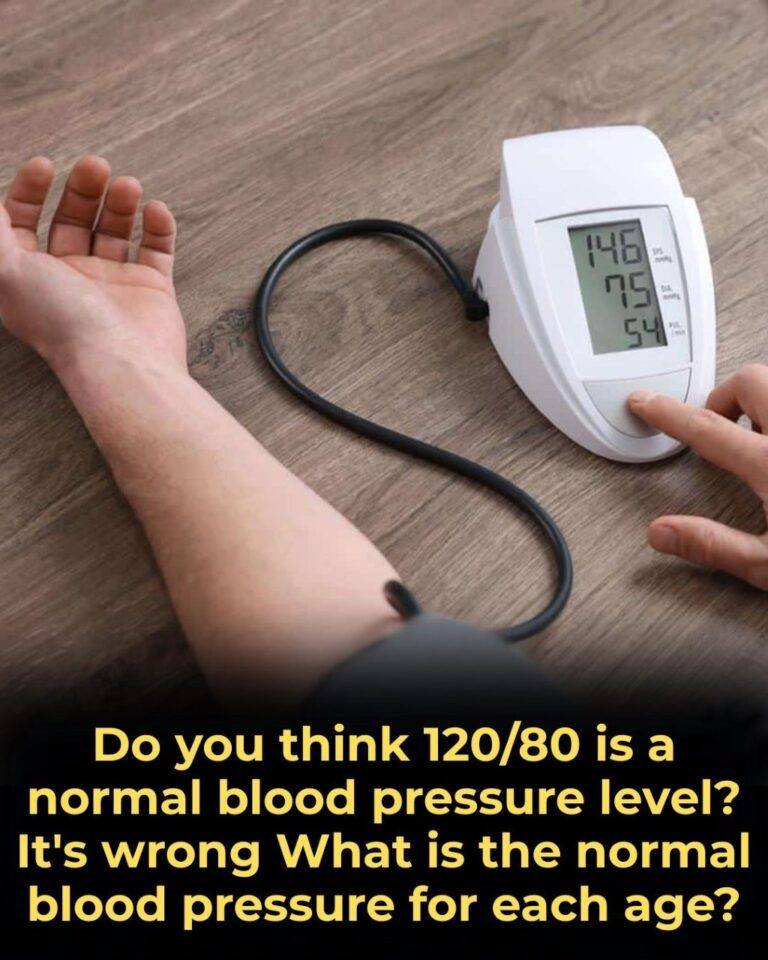
Here’s a clear, updated guide on normal blood pressure by age. Blood pressure is measured in millimeters of mercury (mmHg) and recorded as systolic/diastolic (e.g., 120/80 mmHg).
1. Understanding Blood Pressure Categories
According to the American Heart Association (AHA):
| Category | Systolic (mmHg) | Diastolic (mmHg) |
|---|---|---|
| Normal | <120 | <80 |
| Elevated | 120–129 | <80 |
| Hypertension Stage 1 | 130–139 | 80–89 |
| Hypertension Stage 2 | ≥140 | ≥90 |
| Hypertensive Crisis | >180 | >120 |
Systolic: Pressure when the heart beats
Diastolic: Pressure when the heart rests between beats
2. Normal Blood Pressure by Age
| Age Group | Typical Normal BP Range (mmHg) |
|---|---|
| Children (6–12 years) | ~90–110 / 55–70 |
| Adolescents (13–17 years) | ~110–120 / 65–75 |
| Adults (18–39 years) | ~110–125 / 70–80 |
| Adults (40–59 years) | ~115–130 / 75–85 |
| Adults 60+ years | ~120–140 / 75–90 |
Note: Older adults may naturally have slightly higher systolic pressure due to artery stiffness.
3. Factors That Affect Blood Pressure
- Lifestyle: Diet, exercise, weight
- Stress: Chronic stress can temporarily elevate BP
- Medications: Certain drugs can increase or decrease BP
- Underlying conditions: Diabetes, kidney disease, thyroid issues
4. Tips for Maintaining Healthy BP
- Eat a balanced diet: Emphasize fruits, vegetables, whole grains, and low sodium.
- Exercise regularly: At least 150 minutes of moderate activity weekly.
- Maintain a healthy weight: Even small reductions can lower BP.
- Limit alcohol and avoid smoking
- Monitor your BP: Home monitors can help track trends over time.
If you want, I can make a quick, visual “age vs. blood pressure chart” so you can instantly see what’s normal for your age at a glance—it’s handy for quick reference.
Do you want me to make that chart?
