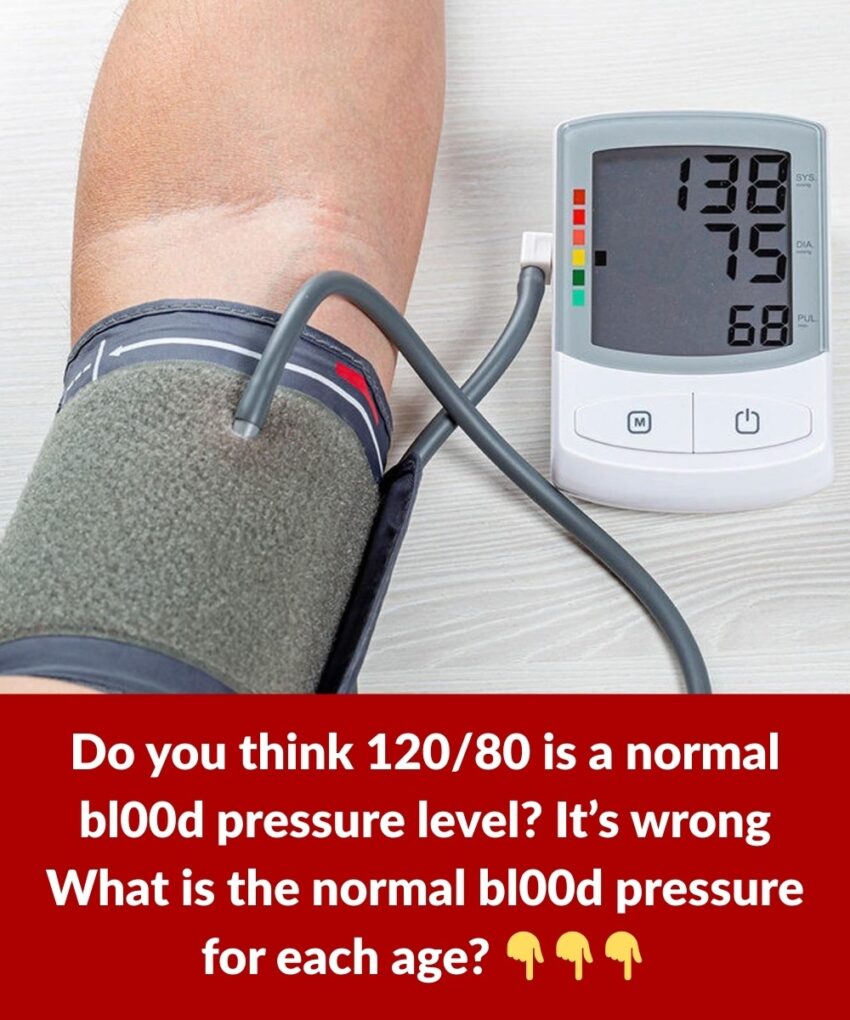
What Is Normal Blood Pressure and Pulse by Age? 🩺❤️
Blood pressure measures how strongly blood pushes against artery walls, while pulse (heart rate) shows how many times your heart beats per minute. Both are important indicators of overall health.
High blood pressure can lead to conditions like Hypertension, which increases the risk of Heart Disease and Stroke.
Normal Blood Pressure by Age
| Age Group | Normal Blood Pressure |
|---|---|
| Children (6–12 years) | 90–110 / 55–75 mmHg |
| Teenagers (13–19 years) | 95–120 / 60–80 mmHg |
| Adults (20–40 years) | 110–120 / 70–80 mmHg |
| Adults (41–60 years) | 115–130 / 70–85 mmHg |
| Seniors (60+ years) | 120–140 / 70–90 mmHg |
For most healthy adults, 120/80 mmHg is considered ideal according to guidelines from the American Heart Association.
Normal Pulse (Heart Rate) by Age
| Age Group | Normal Pulse (beats per minute) |
|---|---|
| Newborns | 100–160 bpm |
| Infants | 90–150 bpm |
| Children (1–10 years) | 70–120 bpm |
| Teenagers (11–17 years) | 60–100 bpm |
| Adults (18+ years) | 60–100 bpm |
| Well-trained athletes | 40–60 bpm |
When to Be Concerned ⚠️
You should consult a doctor if you often have:
- Blood pressure above 140/90 mmHg
- Resting pulse above 100 bpm or below 50 bpm (if not an athlete)
- Symptoms like dizziness, chest pain, or shortness of breath
Tips to Maintain Healthy Blood Pressure and Pulse 🌿
- Exercise regularly
- Reduce salt intake
- Eat fruits and vegetables
- Maintain a healthy weight
- Manage stress
- Avoid smoking and excessive caffeine
✅ Quick summary:
- Ideal adult blood pressure: around 120/80 mmHg
- Normal adult pulse: 60–100 beats per minute
Regular monitoring helps detect problems early and prevent serious conditions.
If you want, I can also show you how to check your blood pressure and pulse correctly at home in 2 minutes. 🏠🩺
