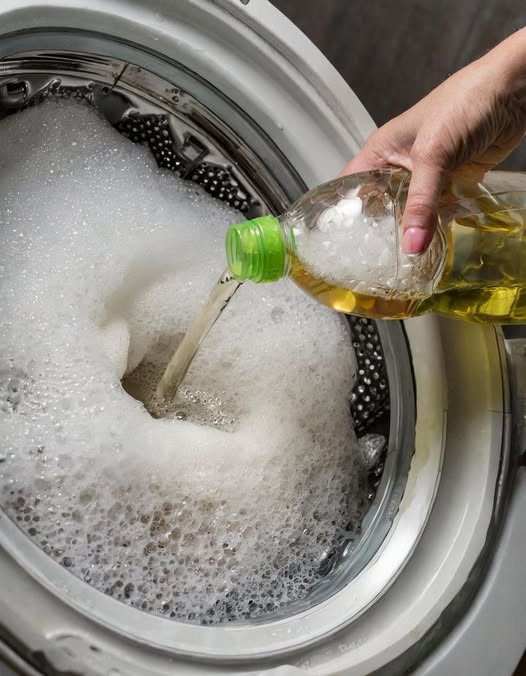
A washing machine is a household appliance designed to clean clothes, linens, and other textiles automatically. It saves time and effort compared to hand washing.
Key Components:
- Drum – where clothes are placed; it rotates to agitate the laundry.
- Motor – powers the drum and controls the wash cycles.
- Water inlet & pump – brings in water, mixes it with detergent, and drains it after washing.
- Control panel – allows selection of cycles, water temperature, and spin speed.
- Detergent dispenser – releases detergent, fabric softener, or bleach at the right time.
Types:
- Top-loading – clothes are loaded from the top; often faster cycles but uses more water.
- Front-loading – clothes are loaded from the front; uses less water, gentler on fabrics, more energy-efficient.
- Semi-automatic – requires manual water filling and draining.
- Fully automatic – handles everything, from washing to rinsing to spinning.
Common Features:
- Multiple wash cycles (delicate, heavy, quick wash).
- Adjustable spin speeds to reduce drying time.
- Temperature control for hot, warm, or cold washes.
- Energy and water efficiency ratings for cost and environmental savings.
Tips for Use:
- Don’t overload the machine – clothes need room to move.
- Use the correct detergent type (HE for high-efficiency machines).
- Clean the drum and detergent drawer regularly to prevent mold and odor.
- Match wash cycle to fabric type to avoid damage.
If you want, I can also explain how washing machines work step-by-step internally, which is surprisingly clever engineering.
Do you want me to do that?
