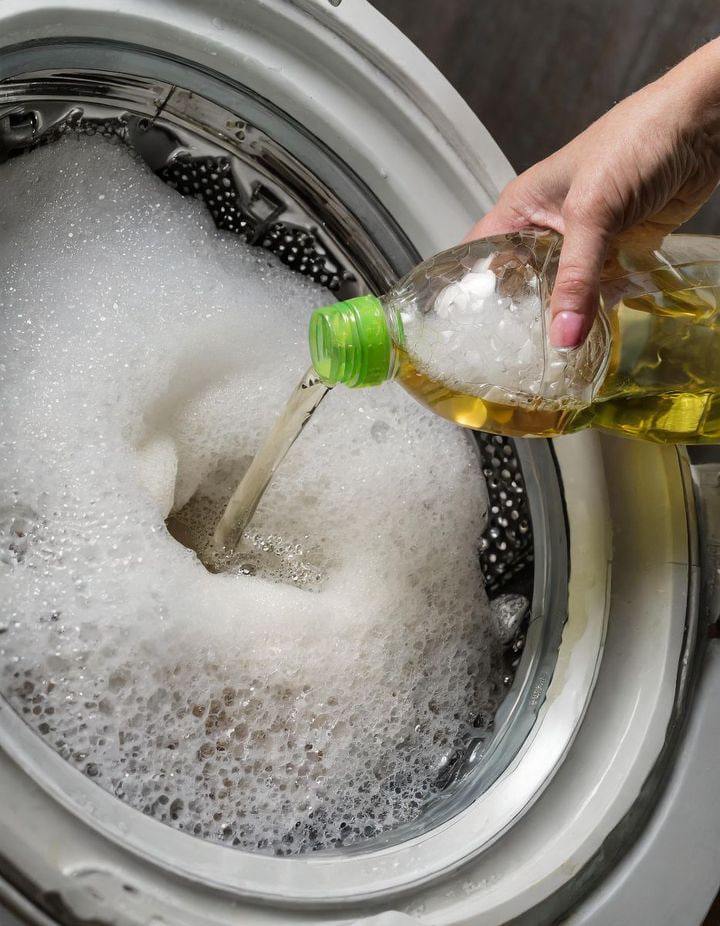
A washing machine is a household appliance designed to clean clothes, linens, and other textiles automatically. It uses water, detergent, and mechanical agitation to remove dirt, stains, and odors from fabrics.
Types of Washing Machines
1. Top-Loading Washing Machine
- How it works: Clothes are loaded from the top; an agitator or impeller moves the clothes around in water.
- Pros: Faster cycles, easier to add clothes mid-cycle, generally cheaper.
- Cons: Uses more water, may be harsher on clothes.
2. Front-Loading Washing Machine
- How it works: Clothes are loaded from the front; drum rotates horizontally to tumble clothes in water.
- Pros: More water- and energy-efficient, gentler on fabrics, better for heavy loads.
- Cons: Longer cycle times, higher upfront cost, potential for mold buildup in seals.
Key Components
- Drum: Holds the clothes and spins to clean and rinse.
- Agitator/Impeller: Moves clothes in water to remove dirt (top-load).
- Motor: Powers the drum.
- Pump: Drains water after wash.
- Water Inlet & Valves: Control water flow and temperature.
- Control Panel: Lets you choose wash cycles, temperature, spin speed, and other settings.
Basic Washing Machine Cycle
- Fill: Water enters the drum with detergent.
- Wash: Agitation or tumbling cleans the clothes.
- Rinse: Clean water removes detergent.
- Spin: Drum spins at high speed to remove excess water.
- Drain: Water is pumped out, leaving clothes damp but ready to dry.
Tips for Using a Washing Machine
- Sort clothes by color and fabric type.
- Use appropriate detergent for your machine type (HE for front-load).
- Avoid overloading the drum—it reduces efficiency.
- Clean the machine regularly, including detergent drawer and seals, to prevent mold and odors.
If you want, I can make a simple diagram showing a washing machine’s parts and cycle—it’s very helpful for understanding how it works.
Do you want me to make that diagram?
