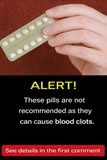
It looks like your sentence got cut off. Based on what you wrote—“WARNING! These tablets are not recommended becaus…”—here’s a detailed guide on how to handle such warnings safely:
1. Understand the Warning
When a medication or supplement carries a warning like this, it usually means one of the following:
- Health Risks
- May worsen pre-existing conditions (e.g., heart disease, liver/kidney issues).
- May cause serious side effects (allergic reactions, bleeding, arrhythmias).
- Drug Interactions
- Could interact with other medications you are taking, reducing effectiveness or increasing toxicity.
- Age-Related Concerns
- Some tablets are not recommended for older adults due to slower metabolism, higher risk of side effects, or increased sensitivity.
- Pregnancy or Nursing
- Certain medications are unsafe during pregnancy or breastfeeding.
- Incorrect Usage
- Overdose, incorrect dosing, or prolonged use may be harmful.
2. Steps You Should Take
- Stop Taking Them Immediately (if you already started) unless prescribed by a doctor.
- Read the Full Label & Insert
- Check for contraindications, side effects, and instructions.
- Consult a Healthcare Professional
- Your pharmacist, doctor, or a qualified health provider can advise whether the tablet is safe for you.
- Check Alternatives
- Ask your doctor about safer substitutes.
3. Red Flags
Seek medical attention immediately if you experience:
- Rash, itching, or swelling
- Shortness of breath or dizziness
- Severe stomach pain, vomiting, or diarrhea
- Unusual bleeding or bruising
Key Takeaway
Warnings on tablets are serious. Never ignore them, and always check with a healthcare professional before taking any medication that carries a caution.
If you can, tell me the name of the tablet and I can provide a specific explanation of why it’s not recommended, including side effects and alternatives. Do you want me to do that?
