“Walnut Tree” could mean a few things depending on what you’re asking about—plant, food, or even a metaphor—but I’ll give you the main facts first:
The Walnut Tree (Botanical)
Scientific name: Juglans regia (English/Walnut) or other Juglans species
Characteristics
- Height: 50–75 feet (some species taller)
- Leaves: Large, pinnate (feather-like) leaves
- Flowers: Catkins (male) and small female flowers
- Fruit: Walnuts inside a green husk that dries and splits
- Lifespan: Can live 100+ years
Growing Conditions
- Climate: Temperate; needs a long growing season
- Soil: Well-drained, fertile soil
- Sun: Full sun preferred
- Spacing: Large trees; plant far apart (30–40 feet)
Uses
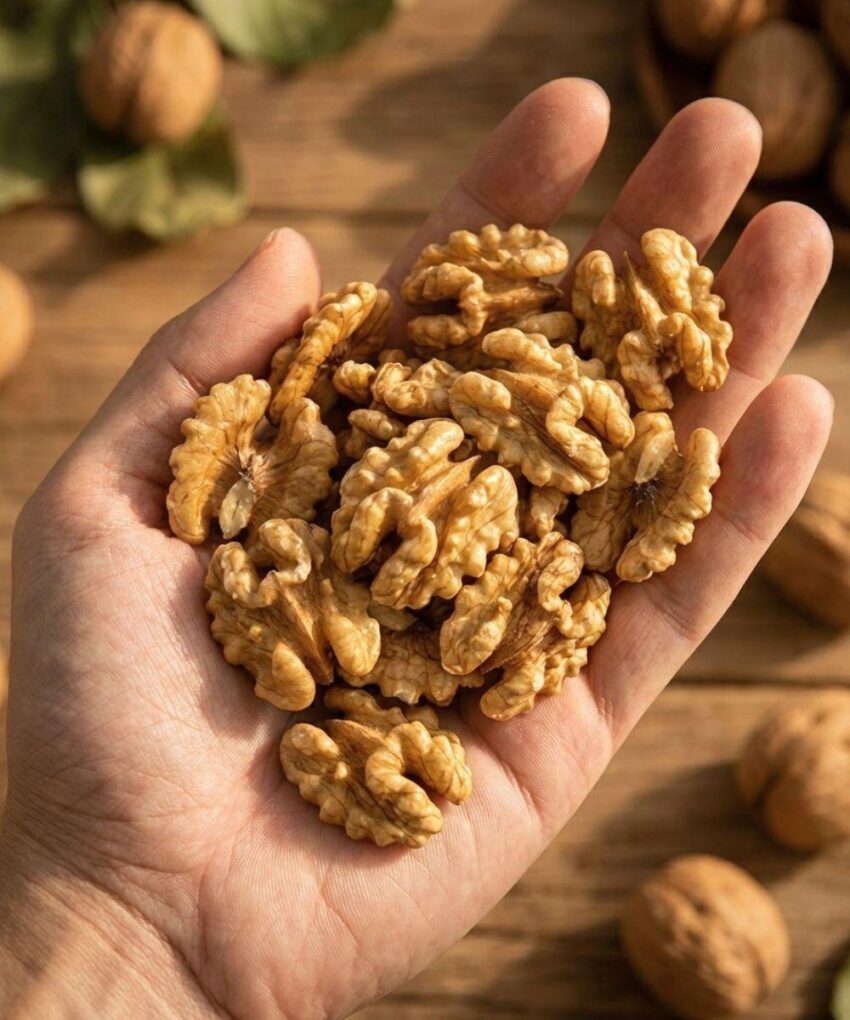
- Nuts: Edible walnuts, rich in omega-3 fatty acids
- Wood: Strong, dark, used in furniture, veneers, and carving
- Shade tree: Large canopy provides good shade
- Medicinal: Some traditional uses of bark, leaves, and nuts
Fun Fact
- Walnuts produce a chemical called juglone in their roots, which can inhibit the growth of some nearby plants. So plant carefully!
If you meant “Walnut Tree” as in a recipe, candy, or dessert, there’s a classic walnut tree cake or walnut candy called Walnut Tree Munch that’s sweet and nutty.
I can make a walnut tree-inspired dessert recipe that’s fun, crunchy, and perfect for snacking if you want. Do you want me to do that?
