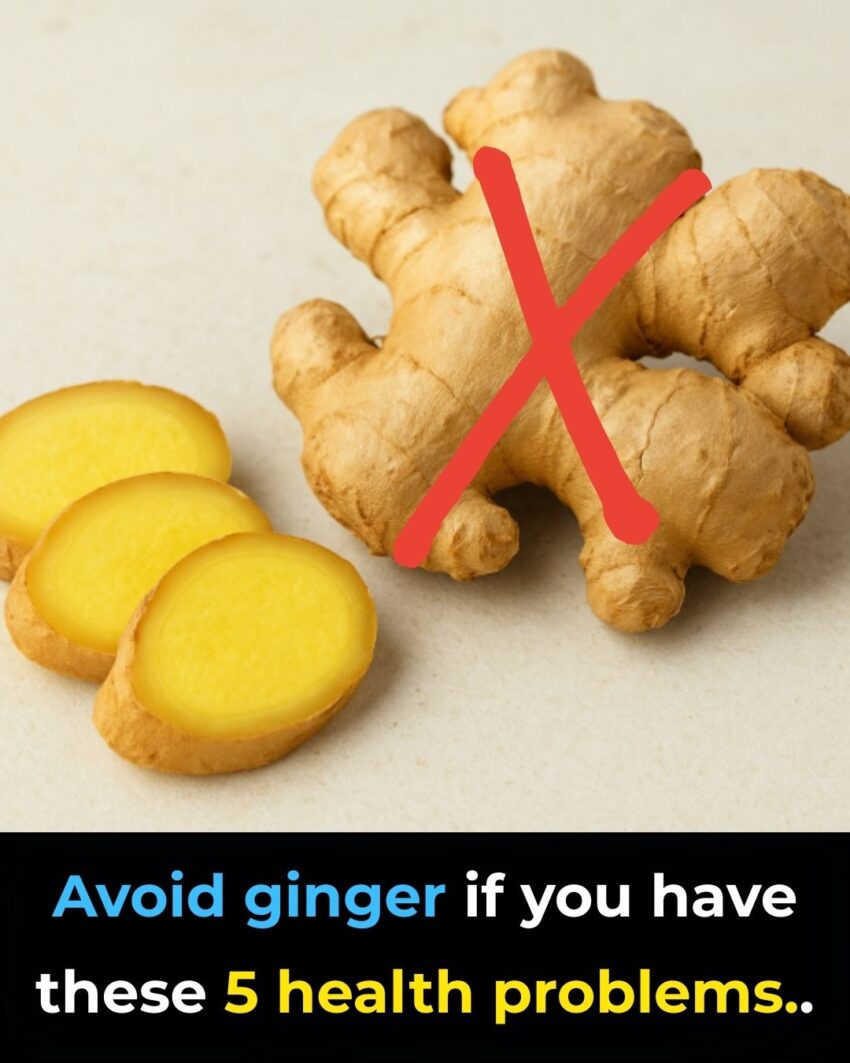
Turmeric is a vibrant yellow-orange spice that comes from the root of the Curcuma longa plant, which is part of the ginger family. It’s widely used in cooking, traditional medicine, and even cosmetics, especially in South Asia.
Here’s a detailed look at turmeric:
Culinary Uses:
- Key ingredient in curry powders, mustards, and marinades.
- Adds earthy, slightly bitter, and peppery flavor.
- Gives food a rich yellow color.
- Often used in rice dishes, soups, stews, sauces, and even beverages like golden milk.
Health Benefits (backed by research, but some still under study):
- Contains curcumin, a compound with anti-inflammatory and antioxidant properties.
- May support joint health and digestion.
- Could contribute to heart and brain health.
- Best absorbed when consumed with black pepper and fat.
Forms of Turmeric:
- Fresh root: Like ginger, can be grated or sliced.
- Powder: Most common, made from dried and ground root.
- Supplements: Curcumin extracts for concentrated doses.
Tips for Use:
- A little goes a long way; it has a strong color that can stain hands, cutting boards, and clothes.
- Pair with black pepper to increase absorption of curcumin.
- Cooking it in oil also enhances bioavailability.
Fun fact: Turmeric isn’t just a spice—it’s been used for centuries in Ayurvedic medicine and traditional beauty treatments.
If you want, I can also tell you a few creative ways to use turmeric in cooking or drinks that aren’t just curry. Do you want me to?
