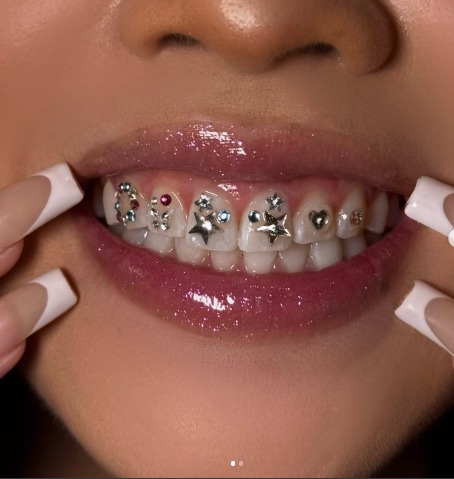
Here’s a detailed overview of teeth, their structure, types, and care:
🦷 Teeth Overview
Teeth are hard, calcified structures in the mouth used primarily for biting, chewing, and breaking down food. They also play a key role in speech, facial structure, and self-expression.
🌿 Structure of a Tooth
- Enamel – The hard, outer layer; the body’s hardest substance, protects the tooth.
- Dentin – The layer beneath enamel; less hard, transmits sensations.
- Pulp – Soft tissue in the center containing nerves and blood vessels.
- Cementum – Covers the tooth root, anchoring it to the jaw via periodontal ligament.
- Periodontal Ligament – Connective tissue that holds the tooth in the socket.
🦷 Types of Teeth
- Incisors – Front teeth, sharp for cutting food.
- Canines (cuspids) – Pointed teeth for tearing.
- Premolars (bicuspids) – Flattened teeth for crushing and grinding.
- Molars – Large, flat teeth at the back; primary grinding surfaces.
- Wisdom teeth – Third molars, often removed due to crowding.
🌿 Human Teeth Sets
- Primary teeth (baby teeth) – 20 teeth, appear from ~6 months to 3 years.
- Permanent teeth (adult teeth) – 32 teeth, appear between ages 6–21.
🦷 Dental Care Tips
- Brush twice daily with fluoride toothpaste.
- Floss daily to remove plaque between teeth.
- Limit sugary foods and drinks to reduce cavities.
- Regular dental check-ups (every 6 months).
- Wear protective gear during sports to prevent trauma.
⚡ Fun Facts
- Teeth are the only part of the human body that cannot repair themselves naturally once damaged.
- Enamel is stronger than bone but can be eroded by acids.
- Sharks continuously grow new teeth throughout their lives, unlike humans.
If you want, I can also give a guide to all dental problems and how to prevent them, including cavities, gum disease, and tooth sensitivity.
Do you want me to do that?
