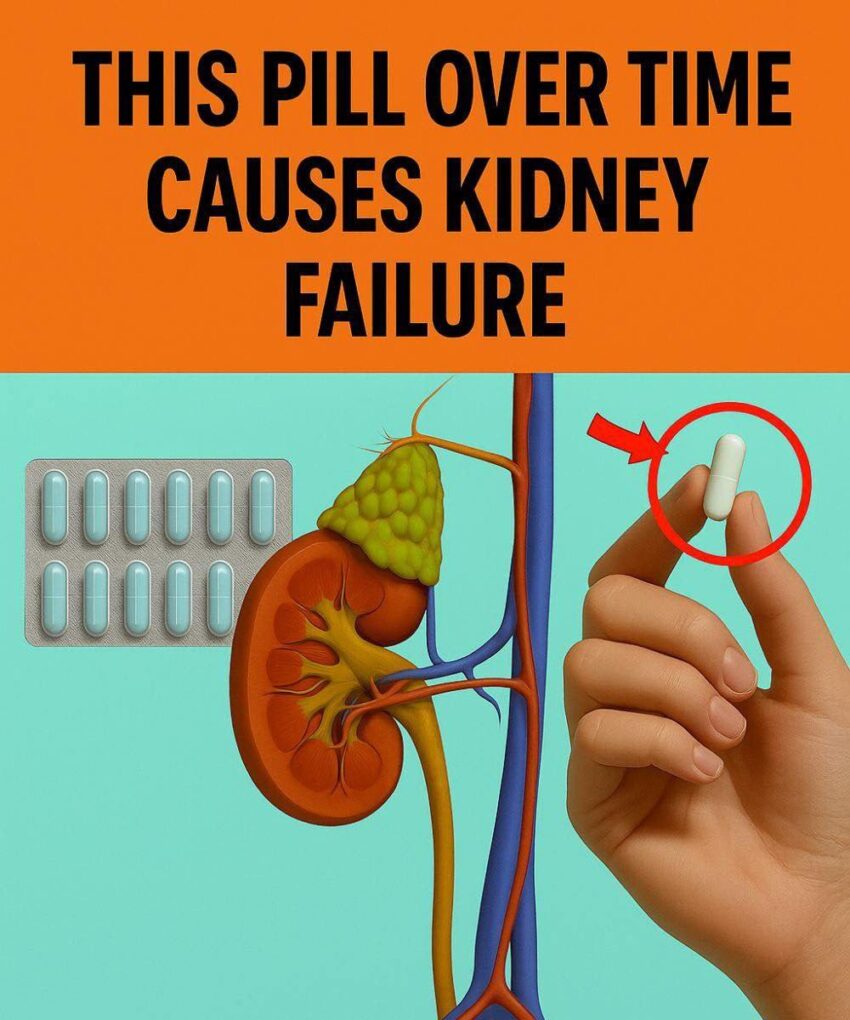
When you see a warning like “Taking this could be affecting your kidneys”, it usually refers to medications, supplements, or over-the-counter products that can stress or damage the kidneys over time. Here’s a detailed breakdown:
1. Common Kidney-Affecting Substances
- NSAIDs (Non-Steroidal Anti-Inflammatory Drugs)
- Examples: ibuprofen, naproxen, diclofenac.
- Can reduce blood flow to the kidneys, especially with long-term use or in older adults.
- Certain Blood Pressure Medications
- ACE inhibitors or ARBs can affect kidney function if dosages aren’t monitored.
- Some Antibiotics
- e.g., aminoglycosides (gentamicin, tobramycin) if used long-term or in high doses.
- High-Dose Pain Relievers or Supplements
- Overuse of acetaminophen or herbal supplements (like high-dose creatine or certain “detox” products) may stress kidneys.
- Diuretics
- Long-term or excessive use can cause dehydration and kidney strain.
2. Signs Your Kidneys Might Be Affected
- Swelling in hands, feet, or around the eyes (fluid retention)
- Changes in urination – less frequent, darker color, foamy, or painful
- Fatigue or weakness
- Nausea, vomiting, or loss of appetite
- High blood pressure that’s harder to control
3. What You Should Do
- Review Medications and Supplements
- Check with your doctor or pharmacist about potential kidney risks.
- Monitor Kidney Function
- Blood tests: creatinine, BUN, eGFR.
- Urine tests for protein or blood.
- Stay Hydrated
- Adequate water helps kidneys flush out toxins.
- Avoid Mixing Risky Medications
- Don’t combine multiple NSAIDs, or NSAIDs with certain supplements, without medical guidance.
Key Takeaway
Many common drugs and supplements can affect kidney function—especially with long-term use or pre-existing kidney issues. If you notice changes in urination, swelling, or fatigue, see a healthcare provider promptly.
If you want, I can make a visual chart showing “Common Medications That Can Affect Your Kidneys” along with warning signs—it makes it easy to check at home.
Do you want me to do that?
