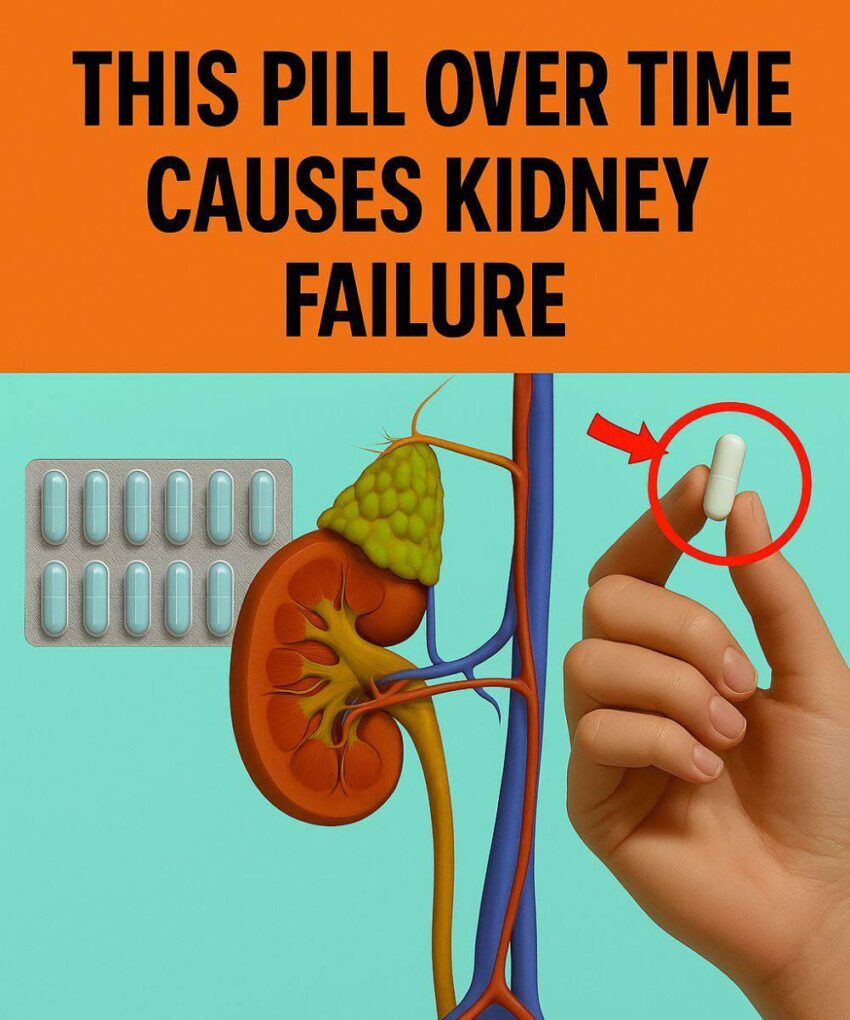
It sounds like you’re referring to a warning like:
“Taking this could be affecting your kidneys — consult your doctor.”
That kind of warning is common because several everyday medications and supplements can stress or damage the kidneys, especially if used long-term or in high doses.
Here’s what commonly affects kidney function:
🚨 Medications That Can Affect Kidneys
1️⃣ NSAIDs (Very Common)
Examples:
- Ibuprofen
- Naproxen
Used for pain and inflammation.
⚠️ Risk increases with:
- Daily or long-term use
- Dehydration
- Older age
- Existing kidney disease
2️⃣ Certain Blood Pressure Medications
Some ACE inhibitors and ARBs can temporarily raise creatinine when starting treatment — usually monitored by a doctor.
Examples:
- Lisinopril
- Losartan
These are often kidney-protective long-term, especially in diabetes, but require monitoring.
3️⃣ Some Antibiotics
Certain antibiotics can be nephrotoxic in high doses or vulnerable patients.
Example:
- Gentamicin
4️⃣ Proton Pump Inhibitors (Long-Term Use)
Example:
- Omeprazole
Long-term use has been linked in some studies to kidney inflammation.
5️⃣ Herbal & “Natural” Supplements
Not always safe. Some weight-loss, detox, or bodybuilding supplements may contain:
- Undisclosed stimulants
- Heavy metals
- High-dose creatine
- Aristolochic acid (linked to severe kidney damage)
⚠️ Warning Signs of Kidney Trouble
- Swelling in ankles or face
- Decreased urine output
- Foamy urine
- Fatigue
- Nausea
- High blood pressure
🩺 When to Consult Your Doctor
You should talk to a healthcare provider if:
- You take daily pain relievers
- You have diabetes or high blood pressure
- You’re over 60
- You’re taking multiple medications
- You notice swelling or changes in urination
A simple blood test (creatinine, eGFR) and urine test can assess kidney function.
If you tell me what medication or supplement you’re referring to, I can give you specific, accurate information about its kidney risk and what to watch for.
