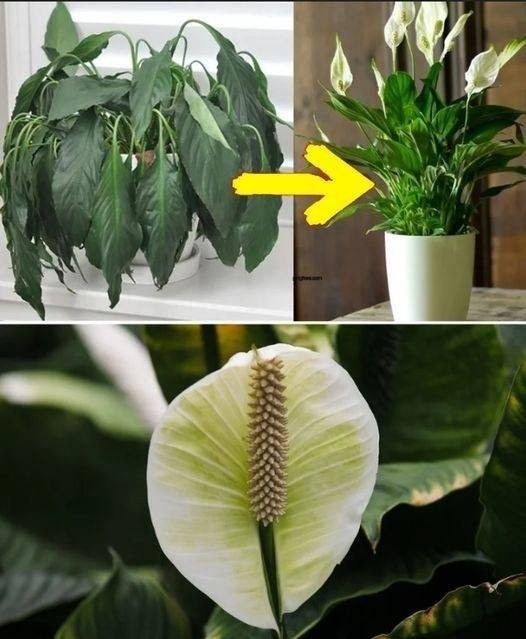
Spathiphyllum wallisii, commonly called the peace lily, is a hardy and elegant indoor plant known for its glossy leaves and white blooms. Here’s a clear, practical guide to help you understand and care for it:
🌿 What Makes It Special
- Produces beautiful white “flowers” (actually modified leaves called spathes)
- Thrives indoors with minimal care
- Well-known for helping improve indoor air quality
☀️ Light Requirements
- Best in bright, indirect light
- Can survive in low light, but may stop flowering
- Avoid direct sunlight (can scorch leaves)
💧 Watering
- Keep soil slightly moist, not soggy
- Water when the top inch of soil feels dry
- Leaves drooping = thirsty (they recover quickly after watering)
🌡️ Temperature & Humidity
- Ideal: 18–27°C (65–80°F)
- Likes moderate to high humidity
- Keep away from cold drafts and AC vents
🌱 Soil & Feeding
- Use well-draining indoor potting mix
- Feed with a balanced liquid fertilizer every 4–6 weeks in growing season
🌸 How to Encourage Blooms
- Give it more indirect light
- Keep a consistent watering schedule
- Wipe dust off leaves so it can absorb light better
⚠️ Important Care Note
- Slightly toxic if eaten (can irritate mouth and stomach), so keep away from pets and small children
💡 Common Problems
- Yellow leaves: Overwatering
- Brown tips: Low humidity or tap water minerals
- No flowers: Not enough light
💡 Quick tip: If your peace lily hasn’t bloomed in a while, moving it to a brighter spot (but not direct sun) often triggers new flowers within a few weeks.
If you want, I can show you a simple weekly care routine that keeps your peace lily thriving with almost no effort.
