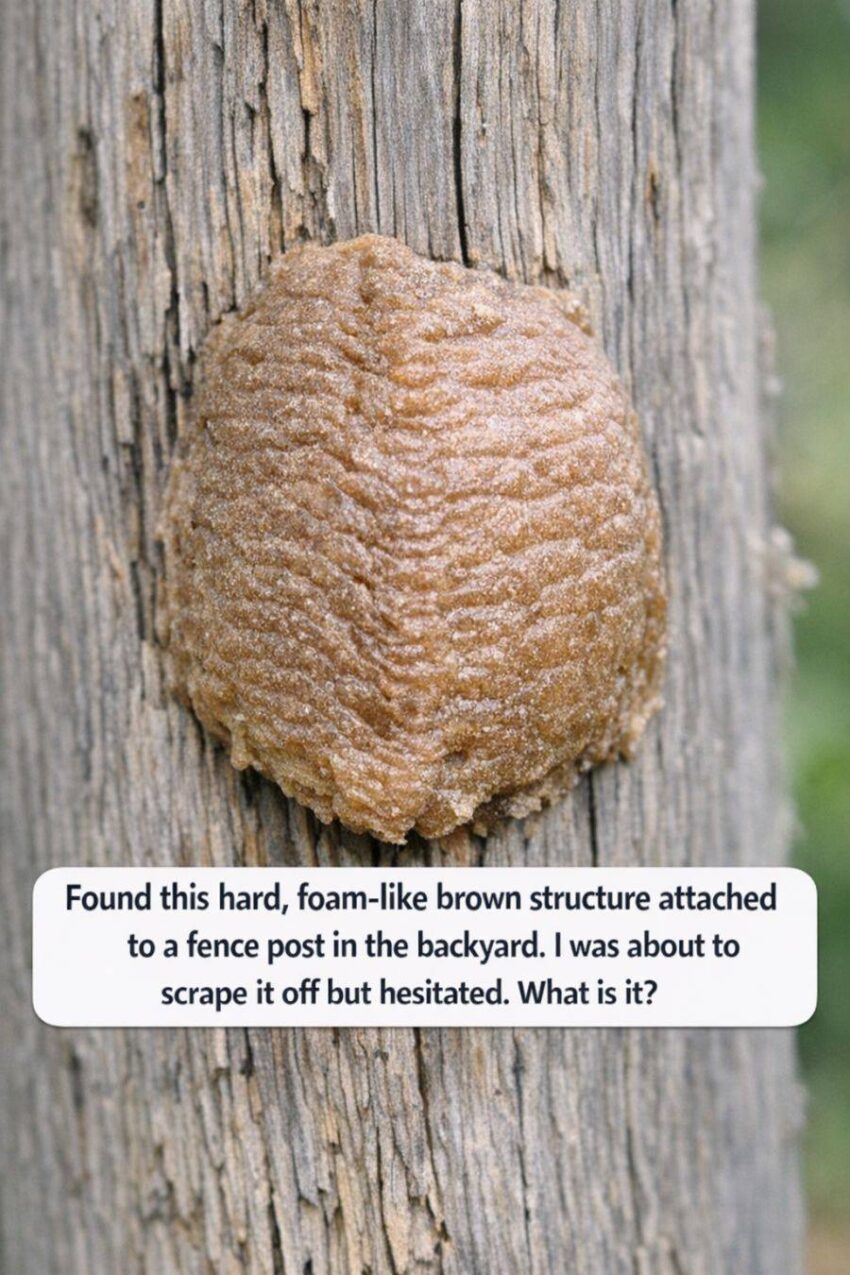
The term “South African mantis” usually refers to one of several species of praying mantises native to South Africa, known for their distinctive appearance and predatory behavior. Here’s a detailed overview:
🕷️ Overview
- Scientific Classification:
Order: Mantodea
Family: Mantidae (for most common species) - Common Species in South Africa:
- Sphodromantis gastrica (African Mantis)
- Sphodromantis viridis (Giant African Mantis)
- Miomantis caffra (Springbok Mantis)
🐛 Appearance
- Size: Usually 2–4 inches (5–10 cm), some species larger.
- Color: Varies from green to brown, providing excellent camouflage in grass or bushes.
- Body: Elongated thorax, triangular head with large compound eyes, raptorial front legs for catching prey.
🦗 Behavior
- Predatory: Eats insects like flies, crickets, and sometimes smaller mantises.
- Ambush hunters: They remain still and strike quickly with their spiked front legs.
- Camouflage: Blend into leaves, grass, or flowers to avoid predators.
🌱 Habitat
- Found in gardens, grasslands, forests, and savannahs throughout South Africa.
- Prefer areas with plenty of vegetation for hunting and hiding.
🏡 As Pets or for Pest Control
- Some South African mantises are kept as pets because they are large, hardy, and relatively easy to care for.
- They are also natural pest controllers in gardens, feeding on harmful insects.
⚠️ Fun Facts
- Female mantises sometimes eat males after mating (sexual cannibalism).
- They can rotate their heads nearly 180° to scan their environment.
- Color morphs (green vs brown) depend on habitat — a survival adaptation.
If you want, I can also make a full guide on identifying, caring for, and observing South African mantises, including photos and differences between species, which is great for hobbyists or nature enthusiasts.
Do you want me to do that?
