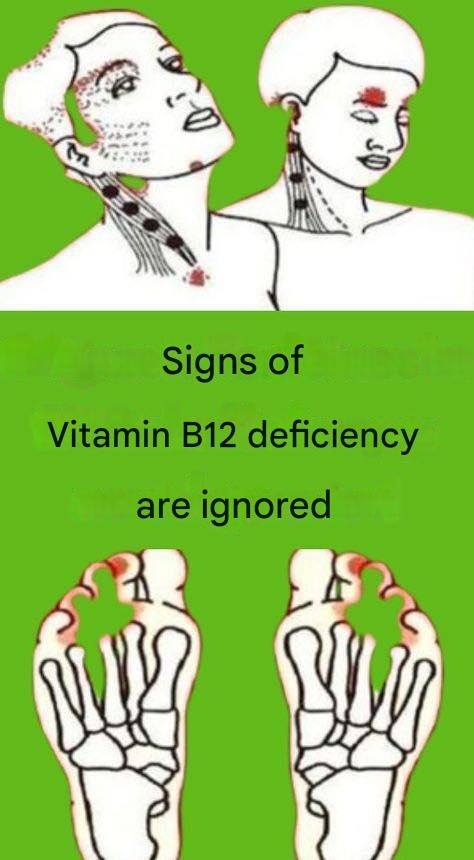
Vitamin B12 deficiency is surprisingly common, especially in adults over 40, vegetarians, or people with absorption issues, and its early signs are often subtle—so they’re frequently ignored. Here’s a thorough breakdown:
1. Early Symptoms People Often Overlook
- Fatigue or weakness – feeling tired despite adequate sleep
- Pale or slightly jaundiced skin
- Tingling or numbness in hands and feet (neuropathy)
- Balance problems or clumsiness
- Shortness of breath or dizziness
2. Cognitive and Mood Changes
- Memory lapses or difficulty concentrating
- Mood swings, irritability, or depression
- Confusion or “brain fog”
3. Digestive and Oral Signs
- Glossitis (inflamed, smooth, or red tongue)
- Mouth ulcers
- Loss of appetite or unexplained weight loss
4. Long-Term Consequences if Ignored
- Permanent nerve damage leading to numbness, tingling, or balance problems
- Cognitive decline or dementia-like symptoms
- Anemia (macrocytic anemia), which can worsen fatigue and weakness
5. Why It’s Often Missed
- Early symptoms are vague and can mimic fatigue, stress, or aging
- Mild deficiency may not show obvious lab abnormalities
- Many people assume tiredness or mood changes are “normal”
6. What Doctors Recommend
- Blood test for serum B12, methylmalonic acid, and homocysteine if deficiency is suspected
- Dietary changes: include meat, fish, eggs, dairy, fortified cereals
- Supplements or injections if absorption is poor
Bottom line: If you experience persistent fatigue, numbness, or cognitive changes, it’s important not to ignore it. Early detection of B12 deficiency can prevent serious, irreversible complications.
I can also make a quick checklist of 8 subtle B12 deficiency signs you can self-monitor at home — very useful for early detection.
Do you want me to make that checklist?
