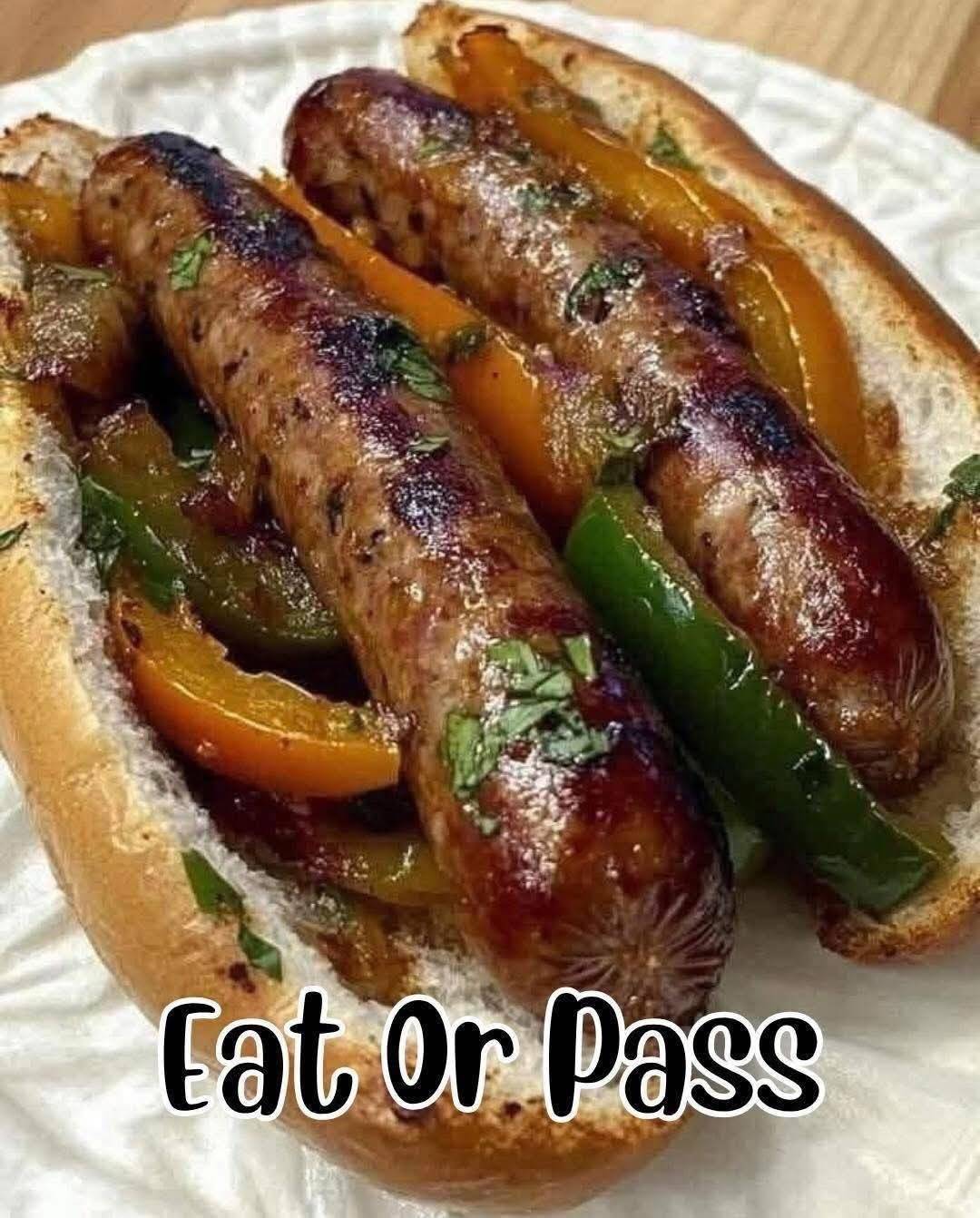
Sausages are an important and diverse part of Italian cuisine, varying widely by region, ingredients, and traditional preparation methods. Here’s an overview of their role and main types:
🇮🇹 Role in Italian Cuisine
Sausages (salsicce, singular salsiccia) are used in:
- Pasta dishes – e.g. pasta alla norcina (Umbrian sausage with cream and truffles) or orecchiette con salsiccia e friarielli (sausage with broccoli rabe, from Campania).
- Pizza toppings – especially salsiccia e friarielli or salsiccia e funghi (with mushrooms).
- Stews and soups – cassoeula (Lombardy) or lenticchie e cotechino (New Year’s dish with lentils and a rich sausage).
- Grilled or roasted – often served simply with bread, polenta, or vegetables.
🥩 Common Types of Italian Sausage
| Name | Region | Description / Ingredients | Typical Use |
|---|---|---|---|
| Salsiccia fresca | Nationwide | Fresh pork sausage, seasoned with salt, pepper, sometimes fennel or wine | Grilled, in sauces or on pizza |
| Luganega (or Lucanica) | Northern & Central Italy | Long, coiled sausage of pork, mild seasoning | Grilled, with risotto (risotto alla luganega) |
| Cotechino | Emilia-Romagna | Large boiled sausage made from pork, rind, and fat | Served with lentils (lenticchie e cotechino) |
| Zampone | Modena | Stuffed pig’s trotter with sausage filling | Similar to cotechino, festive dish |
| Salsiccia di Bra | Piedmont | Made from lean veal and pork fat, eaten raw or lightly cooked | Served raw (unique in Italy) |
| Salsiccia di Norcia | Umbria | Coarsely ground pork with garlic and pepper | Famous in pasta alla norcina |
| ‘Nduja | Calabria | Spicy, spreadable sausage with chili and pork fat | Spread on bread or used in pasta and pizza |
| Finocchiona | Tuscany | Dry-cured sausage with fennel seeds | Sliced for antipasti |
| Soppressata | Southern Italy | Cured sausage, often spicy | Eaten sliced, in sandwiches or antipasti |
🌿 Seasonings and Flavors
Common seasonings include:
- Fennel seeds (especially in central and southern regions)
- Chili peppers (peperoncino, notably in Calabria)
- Garlic and wine (red or white, depending on the recipe)
- Herbs like rosemary, thyme, and black pepper
🍽️ Cultural Notes
- Sausage-making is traditionally part of the winter butchering season, when families prepared cured meats (salumi) to last through the year.
- Each region prides itself on its own recipes, reflecting local climates, ingredients, and traditions.
Would you like me to focus on fresh sausages used in cooking (like those in pasta dishes) or cured sausages (like salami and ‘nduja)?
