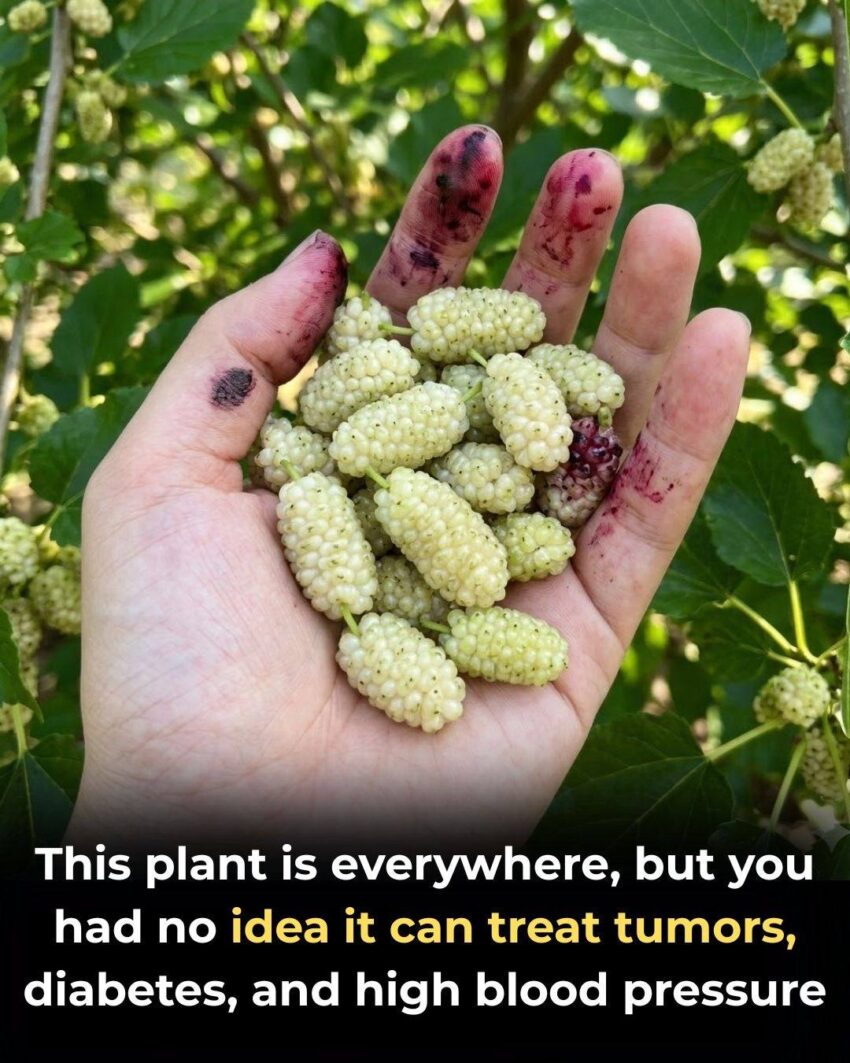
Here’s a detailed overview of Red Mulberry (Morus rubra)—a nutrient-rich fruit with culinary and medicinal uses:
What is Red Mulberry?
- Red Mulberry is a deciduous tree native to North America.
- Produces sweet, dark red to purple berries that are edible.
- Leaves, bark, and fruit have been traditionally used for food and herbal remedies.
Nutritional Benefits
- Rich in antioxidants – protects cells from oxidative stress.
- High in vitamin C – supports immunity.
- Good source of fiber – aids digestion and promotes gut health.
- Contains iron, calcium, and potassium – supports overall health.
Culinary Uses
- Fresh Eating – Eat ripe berries as a snack.
- Baking – Use in pies, muffins, or tarts.
- Jams and Jellies – Sweet preserves from mulberries are popular.
- Smoothies – Add berries for natural sweetness and color.
- Salads – Sprinkle fresh berries over green salads for a fruity twist.
Traditional and Medicinal Uses
- Leaves – sometimes used to make tea to help with diabetes, inflammation, and colds.
- Bark and Roots – historically used in herbal remedies for digestive or respiratory issues.
- Fruit – considered a mild diuretic and laxative.
Harvesting Tips
- Pick berries when fully ripe (deep red to purple).
- Handle gently—berries bruise easily.
- Can be frozen for later use in smoothies or baking.
💡 Tip:
- Mulberry trees are fast-growing and can be grown in home gardens.
- They attract birds and pollinators, making them great for backyard biodiversity.
If you want, I can also make a list of 5 easy Red Mulberry recipes, from smoothies to desserts, that highlight its natural sweetness and nutritional benefits.
Do you want me to do that?
