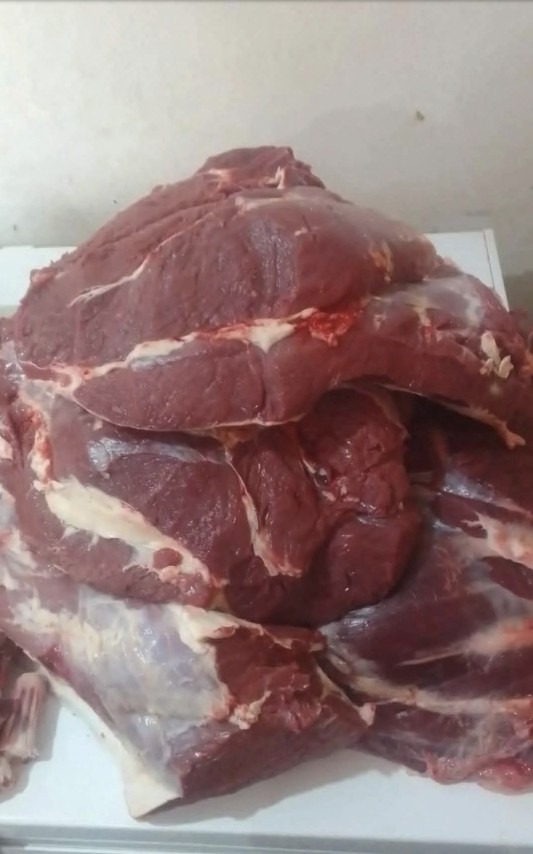
Raw Meat: What You Need to Know 🥩
Raw meat is common in cooking, but it carries health risks if not handled properly. Understanding safe practices is key to preventing foodborne illness.
🧬 Risks of Raw Meat
Raw meat may contain harmful bacteria, parasites, or viruses, such as:
- Salmonella – commonly in poultry and beef
- E. coli – can be found in beef, especially ground beef
- Listeria – can affect ready-to-eat meats and cold cuts
- Toxoplasma – a parasite found in pork, lamb, and sometimes beef
Symptoms of foodborne illness can include nausea, vomiting, diarrhea, fever, and abdominal pain.
🥣 Safe Handling Tips
- Keep it cold:
Store raw meat at 40°F (4°C) or below. - Separate from other foods:
Avoid cross-contamination with vegetables, fruits, or cooked foods. - Use separate utensils and cutting boards:
Color-coded boards for meat vs produce are helpful. - Cook thoroughly:
- Poultry: 165°F (74°C)
- Ground beef: 160°F (71°C)
- Steaks/roasts: 145°F (63°C) + rest 3 min
- Wash hands and surfaces after handling raw meat.
⚠️ Foods That Use Raw Meat Safely (With Caution)
Some dishes traditionally use raw meat:
- Steak tartare – finely chopped beef, served raw (ensure high-quality, fresh beef)
- Carpaccio – thinly sliced raw beef or fish
- Sushi or sashimi – raw fish, not meat, but same hygiene principles
Tip: Only consume raw animal products from reputable sources and follow strict food safety practices.
If you want, I can provide:
- Step-by-step guide for safely thawing and storing raw meat
- Quick cooking tips to kill bacteria without losing flavor
- Or list of meats commonly eaten raw around the world
Which one should I do?
