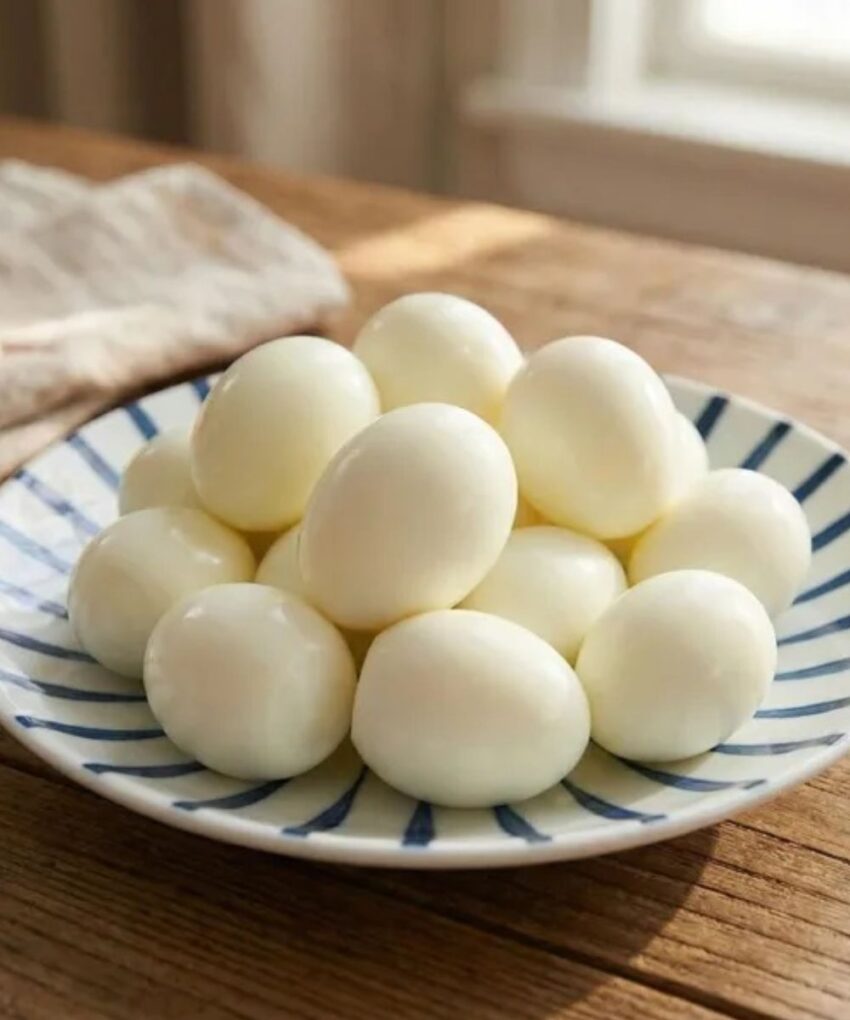
Here’s a complete guide for quail eggs—how to cook them, enjoy them, and some tips for incorporating them into recipes.
Quail Eggs 101
Overview
- Quail eggs are much smaller than chicken eggs (about 1/5 the size).
- They have a delicate, rich flavor and a slightly higher yolk-to-white ratio.
- Great for appetizers, salads, pickling, or gourmet dishes.
Cooking Methods
- Boiled Quail Eggs
- Soft-boiled: 2 minutes in boiling water
- Medium: 3 minutes
- Hard-boiled: 4 minutes
- Tip: Use a slotted spoon and immediately transfer to ice water to stop cooking.
- Fried Quail Eggs
- Heat 1 tsp butter or oil in a small pan.
- Crack eggs carefully (shells are fragile) and cook 1–2 minutes for sunny side up.
- Season lightly with salt and pepper.
- Poached Quail Eggs
- Boil water with a splash of vinegar.
- Crack eggs into a small cup, then gently slide into water.
- Cook 1–2 minutes until whites are set.
- Pickled Quail Eggs
- Hard-boil eggs, peel, and place in a jar with vinegar, spices, and optional beet juice for color.
- Let sit in the fridge 24–48 hours before eating.
Serving Ideas
- Appetizers: On toast points, crostini, or in salad bites.
- Salads: Halve boiled eggs for topping green salads or grain bowls.
- Ramen & soups: Use soft-boiled quail eggs as a gourmet garnish.
- Snacks: Pickled quail eggs make a fun bar snack or charcuterie board addition.
Tips
- Peeling boiled eggs: Quail eggs are tiny and delicate—tap gently and peel under running water.
- Cracking: Use a small knife to avoid shell shards.
- Storage: Store raw quail eggs in the fridge up to 4–5 weeks. Cooked eggs last 3–4 days.
If you want, I can give 5 quick recipes using quail eggs, including fancy breakfast bites, salads, and fried appetizers.
Do you want me to do that?
