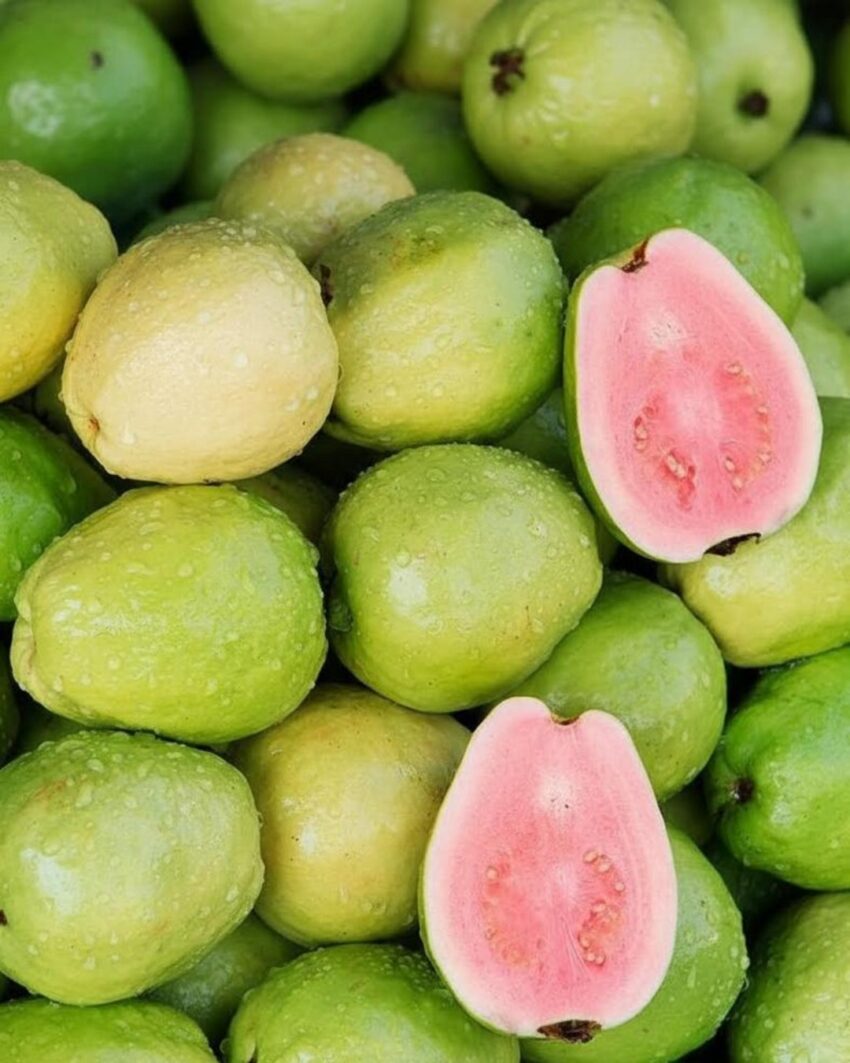
🌿 Psidium guineense
Psidium guineense, commonly known as Brazilian guava or “araçá,” is a tropical fruit tree in the same family as common guava (Psidium guajava).
🌎 Where It Grows
- Native to Central and South America
- Common in Brazil, the Caribbean, and parts of tropical Africa
- Thrives in warm, humid climates
🍈 What the Fruit Is Like
- Smaller than common guava
- Yellow to green skin
- Aromatic pulp with a sweet-tart flavor
- Contains edible seeds
- Rich in vitamin C and antioxidants
🩺 Potential Health Benefits
Research is still limited, but traditionally it has been used for:
- Digestive support (leaves used in teas for diarrhea)
- Anti-inflammatory properties
- Antioxidant activity
- Possible blood sugar–lowering effects (mostly from leaf extracts in preliminary studies)
⚠️ Important: While some studies suggest it may help support blood sugar control, it does NOT “eat all the sugar in the body.” No plant can replace insulin or diabetes medication.
🍵 Traditional Uses
- Leaf tea for gastrointestinal issues
- Fruit eaten fresh or used in juices and jams
- Sometimes used in folk medicine for infections
🧠 If You’re Considering It for Blood Sugar
- It may provide mild supportive benefits
- It should not replace prescribed diabetes treatment
- Always consult a healthcare provider before using herbal remedies, especially if you take blood sugar medications (to avoid hypoglycemia)
If you’d like, I can compare Psidium guineense vs. common guava (Psidium guajava) in terms of nutrition and medicinal properties.
