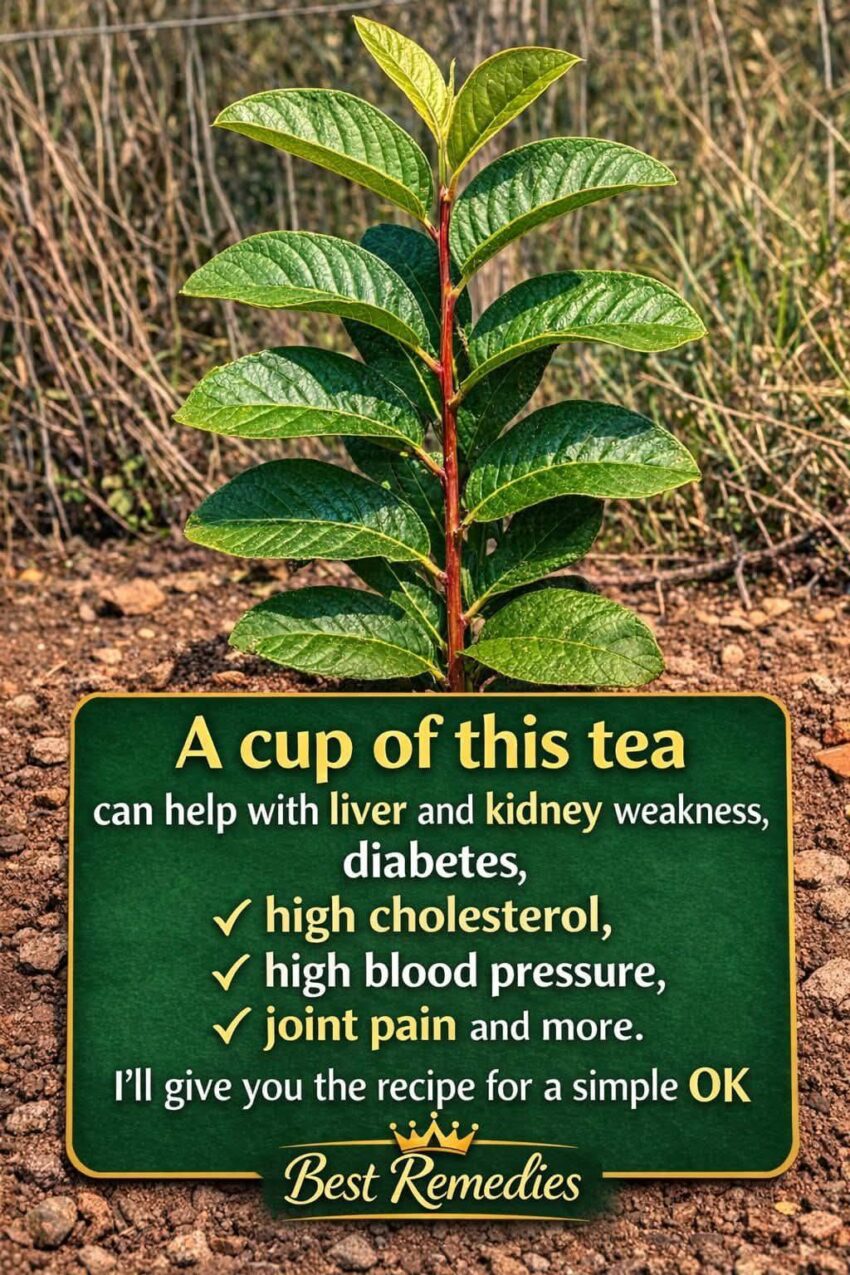
Psidium guineense is a tropical plant species belonging to the guava family, commonly known as the Brazilian guava or Araçá-do-campo in Brazil. It’s related to the common guava (Psidium guajava) and is valued for its edible fruits and medicinal properties.
Description
- Type: Small tree or shrub
- Height: Typically 2–5 meters
- Leaves: Evergreen, aromatic, elliptical
- Flowers: White, 5-petaled, attract pollinators
- Fruit: Small, round or oval, yellowish-green to red when ripe, sweet to mildly acidic taste
Uses
- Edible Fruit
- Eaten fresh, made into juices, jams, or jellies.
- Seeds can be consumed but are often hard.
- Medicinal Applications
- Traditional medicine: Leaves and bark used for diarrhea, stomach pain, and digestive issues.
- Antioxidant properties: Some studies suggest Psidium guineense contains flavonoids and phenolic compounds that may support overall health.
- Ecological Role
- Fruit attracts birds and wildlife, aiding seed dispersal.
- Can be used in reforestation projects in tropical areas.
Cultivation
- Prefers tropical and subtropical climates.
- Grows well in well-drained soil with full sun.
- Relatively hardy and low-maintenance.
💡 Interesting Fact: Psidium guineense is often considered a wild guava relative with higher concentrations of antioxidants compared to some cultivated guava varieties.
I can also make a list of 5 practical uses of Psidium guineense for health and cooking if you want applied ideas. Do you want me to do that?
