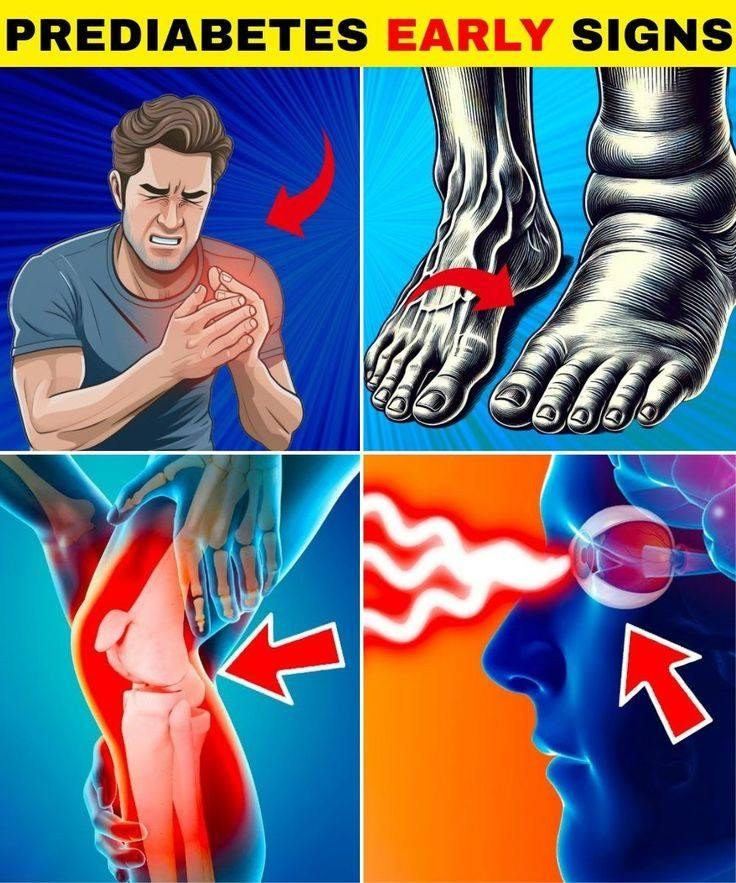
Prediabetes often develops silently, with subtle signs that many people overlook. Recognizing it early can help prevent progression to type 2 diabetes. Here’s a thorough guide:
1. Common Early Signs
- Increased thirst and frequent urination – High blood sugar draws water from tissues.
- Fatigue – Cells aren’t using glucose efficiently, leading to low energy.
- Blurred vision – High blood sugar can temporarily affect the lens of the eye.
- Slow-healing cuts or infections – Elevated glucose impairs normal healing and immune response.
- Darkened skin patches (Acanthosis nigricans) – Often found on the neck, armpits, or groin.
- Tingling or numbness in hands/feet – Early signs of nerve irritation from high glucose.
2. Less Obvious Indicators
- Mild weight gain, especially around the abdomen.
- Sugar cravings or sudden hunger spikes.
- High blood pressure or abnormal cholesterol levels – often co-occurring with insulin resistance.
3. Risk Factors
Even before symptoms appear, prediabetes is more likely if you have:
- Overweight or obesity, especially central obesity.
- Family history of diabetes.
- Sedentary lifestyle.
- Age 35+, though younger adults can also be affected.
- Gestational diabetes history or polycystic ovary syndrome (PCOS).
4. Screening and Diagnosis
- Fasting blood sugar: 100–125 mg/dL indicates prediabetes.
- A1C test: 5.7–6.4% is considered prediabetes.
- Oral glucose tolerance test (OGTT): 140–199 mg/dL 2 hours after drinking glucose solution.
5. Prevention and Management
- Weight management – even 5–7% weight loss can significantly reduce risk.
- Regular exercise – at least 150 minutes per week of moderate activity.
- Healthy diet – focus on whole grains, vegetables, lean protein, and reduced added sugars.
- Monitor blood sugar regularly if you have risk factors.
- Avoid smoking and limit alcohol consumption.
Key point: Prediabetes often has no obvious symptoms. If you have risk factors, screening is crucial because early lifestyle changes can reverse or halt progression to type 2 diabetes.
I can also make a visual checklist of early prediabetes signs and risk factors for quick self-assessment. This helps spot warning signs even before a lab test.
Do you want me to make that checklist?
