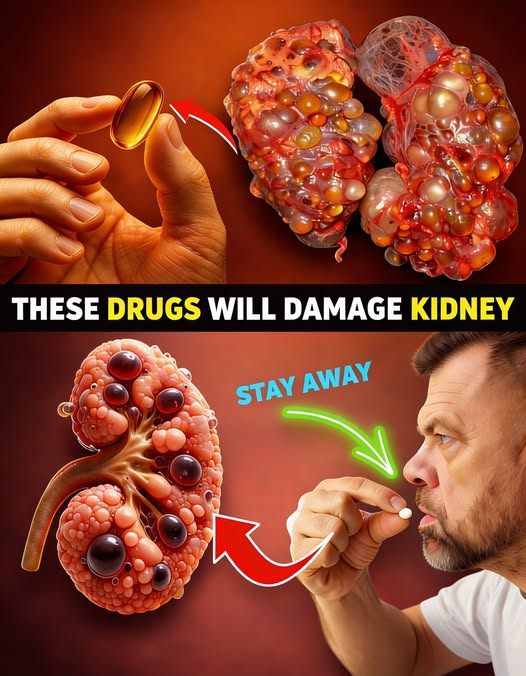
Polycystic kidney disease (PKD) is a genetic disorder in which clusters of fluid-filled sacs, called cysts, develop in the kidneys. These cysts gradually enlarge, disrupting normal kidney function and potentially leading to kidney failure over time.
Key Points About Polycystic Kidney Disease
- Types of PKD
- Autosomal Dominant PKD (ADPKD): Most common form; symptoms usually appear in adulthood.
- Autosomal Recessive PKD (ARPKD): Rare; symptoms often appear at birth or in early childhood.
- Symptoms
- High blood pressure
- Abdominal or back pain
- Enlarged abdomen due to kidney swelling
- Blood in urine (hematuria)
- Kidney stones
- Frequent urinary tract infections
- Fatigue or feeling unwell
- Complications
- Chronic kidney disease or kidney failure
- Liver cysts or enlargement
- Heart valve abnormalities
- Aneurysms in the brain in some cases
- Causes
- Genetic mutations (PKD1, PKD2 genes for ADPKD)
- Family history is a strong risk factor
- Diagnosis
- Ultrasound, CT scan, or MRI to detect cysts
- Genetic testing for confirmation
- Treatment
- No cure, but treatment focuses on managing symptoms and slowing progression
- Controlling blood pressure
- Pain management
- Treating infections promptly
- In severe cases, dialysis or kidney transplant may be needed
- No cure, but treatment focuses on managing symptoms and slowing progression
Tip: Early detection is important. If you have a family history of PKD, regular kidney check-ups and imaging tests can help monitor progression and prevent complications.
If you want, I can also explain lifestyle and dietary changes that help protect kidney function in PKD, which can make a noticeable difference over time. Do you want me to outline those?
