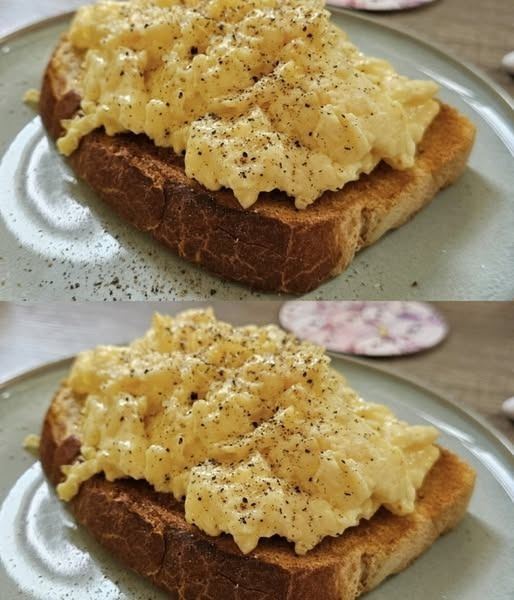
Here’s a complete guide to poached eggs, including tips for perfect results every time.
Poached Egg – Overview
- Definition: An egg cooked by submerging it in simmering water, without the shell.
- Texture: Soft, tender whites with a runny yolk (unless cooked longer).
- Uses: On toast, in salads, eggs Benedict, ramen, or grain bowls.
Ingredients
- 1 fresh egg (freshness is key; older eggs spread out too much)
- Water (enough to submerge the egg)
- 1 tsp vinegar (optional, helps egg whites coagulate)
- Pinch of salt (optional)
Step-by-Step Instructions
- Heat water: Bring a pot of water to a gentle simmer, not a rolling boil. About 75–85°C (170–185°F) is ideal.
- Add vinegar: Optional, but helps the whites hold together.
- Crack the egg: Crack it into a small cup or bowl.
- Create a whirlpool: Stir the water gently in a circular motion to create a small vortex.
- Add the egg: Gently slide the egg into the center of the whirlpool.
- Cook: Simmer for 3–4 minutes for a runny yolk, or 5–6 minutes for a firmer yolk.
- Remove & drain: Use a slotted spoon to lift the egg, letting water drain off.
- Serve: Place on toast, salad, or your preferred dish immediately.
Tips for Perfect Poached Eggs
- Fresh eggs are critical — the whites stay together better.
- Gentle heat prevents the whites from dispersing.
- Don’t crowd the pot — poach one or two eggs at a time for best results.
- Optional: Trim wispy whites with a spoon after cooking for a neater presentation.
Poached eggs are surprisingly easy once you master the gentle simmer and whirlpool method. They’re a healthier alternative to fried eggs and look elegant on any dish.
I can also give you a trick to poach multiple eggs at once perfectly — ideal for brunch or meal prep. Do you want me to share that?
