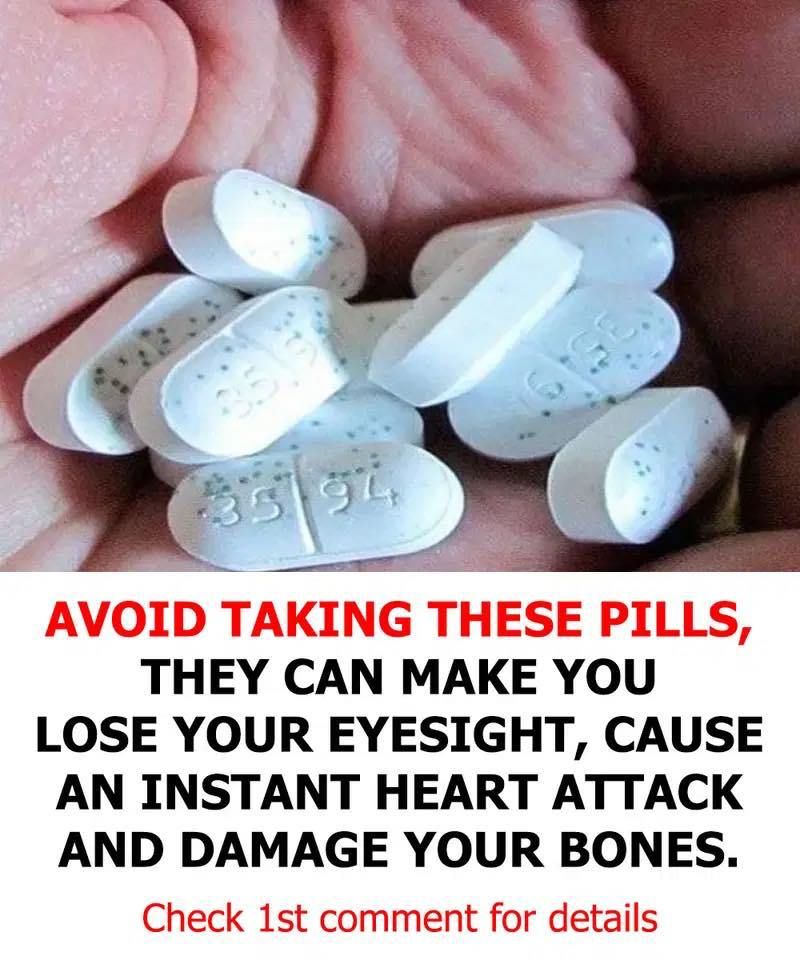
It sounds like you’re referring to prescription medications that carry warnings about serious side effects, such as eye damage or heart attack risk. These warnings usually appear in boxed warnings (black box warnings) or on the label to alert patients to potentially severe risks.
⚠️ Key Points About Such Warnings
1️⃣ Eye Damage
Some medications can affect the eyes, causing:
- Blurred vision
- Retinopathy (damage to the retina)
- Optic neuropathy (damage to the optic nerve)
Examples:
- Chloroquine or hydroxychloroquine – can cause retinal toxicity with long-term use.
- Isotretinoin (Accutane) – may cause dry eyes or visual disturbances.
Precaution:
- Regular eye exams are often recommended for long-term use.
2️⃣ Heart Attack or Cardiovascular Risk
Certain drugs can increase risk of heart problems:
- NSAIDs (high-dose, long-term) – may increase risk of heart attack or stroke
- Some diabetes medications (e.g., rosiglitazone) – associated with cardiovascular events
- Stimulant medications – can raise heart rate and blood pressure
Precaution:
- Follow dosing instructions carefully.
- Monitor blood pressure and heart health.
3️⃣ What You Should Do
- Always read all warning labels and patient information leaflets.
- Report new symptoms (vision changes, chest pain, shortness of breath) to your doctor immediately.
- Never stop prescription medications suddenly without consulting your healthcare provider.
If you want, I can give you a list of common medications with eye or heart warnings, so you know which pills typically carry these risks.
Do you want me to do that?
