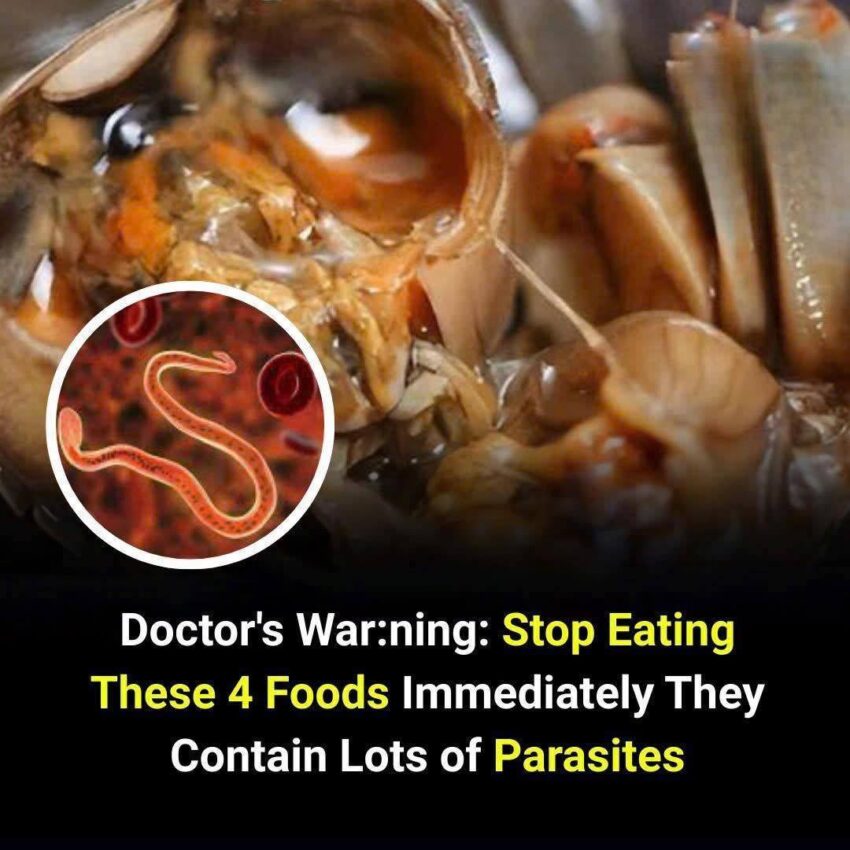
A parasitic worm is an organism that lives on or inside a host organism, deriving nutrients at the host’s expense. These worms can infect humans, animals, or plants, sometimes causing mild discomfort, and other times serious disease.
Main Types of Parasitic Worms in Humans:
- Nematodes (roundworms)
- Examples:
- Ascaris lumbricoides – common intestinal roundworm
- Enterobius vermicularis – pinworm
- Characteristics: Cylindrical, tapered at both ends, often live in the intestines.
- Examples:
- Trematodes (flukes)
- Examples:
- Schistosoma species – blood fluke causing schistosomiasis
- Flat, leaf-shaped, often require intermediate hosts like snails.
- Examples:
- Cestodes (tapeworms)
- Examples:
- Taenia solium – pork tapeworm
- Taenia saginata – beef tapeworm
- Long, segmented, live in the intestines; some can grow several meters.
- Examples:
Transmission:
- Consuming contaminated food or water
- Skin contact with contaminated soil or water
- Insect vectors (for some species)
Symptoms:
- Digestive problems (diarrhea, abdominal pain)
- Weight loss or malnutrition
- Fatigue, anemia (in severe cases)
Treatment typically involves antiparasitic medications prescribed by a doctor.
If you want, I can make a quick chart of common parasitic worms with their hosts and effects, which is handy for quick reference. Do you want me to do that?
