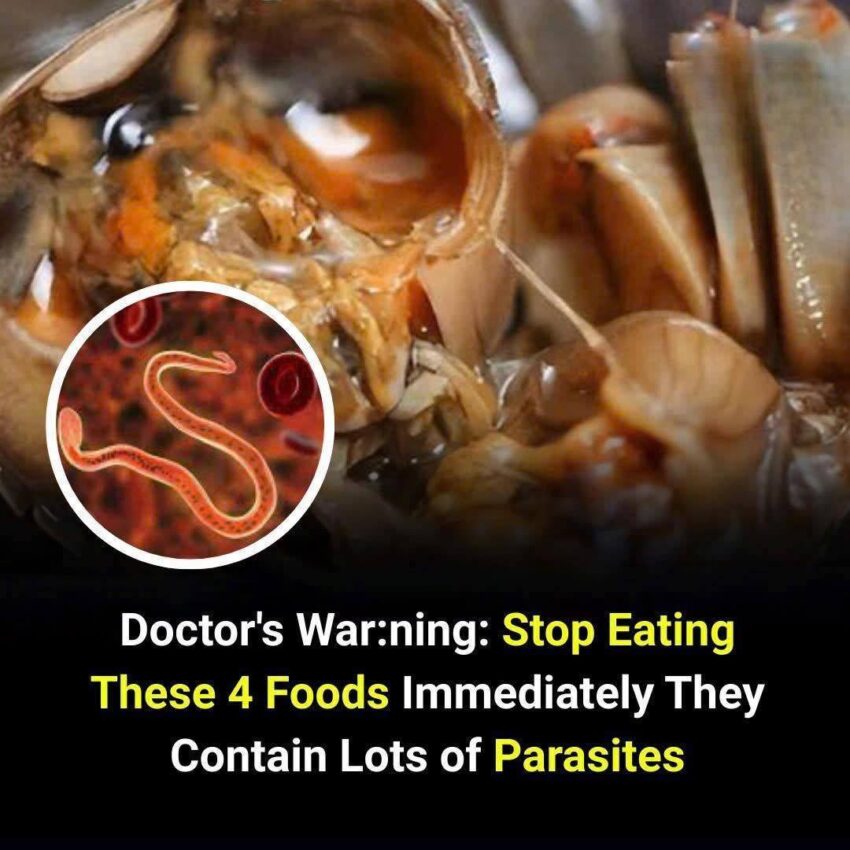
A parasitic worm is any worm that lives in or on another organism (the host) and derives nutrients at the host’s expense. These worms can infect humans, animals, and plants, often causing disease. They are broadly classified into a few main types:
1. Nematodes (Roundworms)
- Cylindrical, unsegmented worms with a complete digestive system.
- Common human parasites:
- Ascaris lumbricoides – infects intestines, can cause malnutrition.
- Enterobius vermicularis – causes anal itching, mostly in children.
- Hookworms – attach to intestinal walls, cause anemia.
2. Cestodes (Tapeworms)
- Flat, segmented worms that live in the digestive tract.
- Common types:
- Taenia solium
- Taenia saginata
3. Trematodes (Flukes)
- Flat, leaf-shaped worms with complex life cycles involving multiple hosts.
- Example:
- Schistosoma mansoni – infects blood vessels, liver, and intestines.
4. Filarial Worms
- Thread-like worms transmitted by insects (e.g., mosquitoes).
- Example:
- Wuchereria bancrofti – can cause elephantiasis.
Symptoms of Parasitic Worm Infections
- Digestive issues: diarrhea, abdominal pain, nausea.
- Nutritional deficiencies and anemia.
- Fatigue, weight loss, or growth delays in children.
- Severe infections can affect organs like the liver, lungs, or lymphatic system.
Prevention & Treatment
- Practice good hygiene and sanitation.
- Properly cook meat and wash fruits/vegetables.
- Medications (anthelmintics) are available for most infections.
If you want, I can make a visual chart showing all major parasitic worms, their hosts, and life cycles—it makes understanding their differences much easier.
Do you want me to create that chart?
