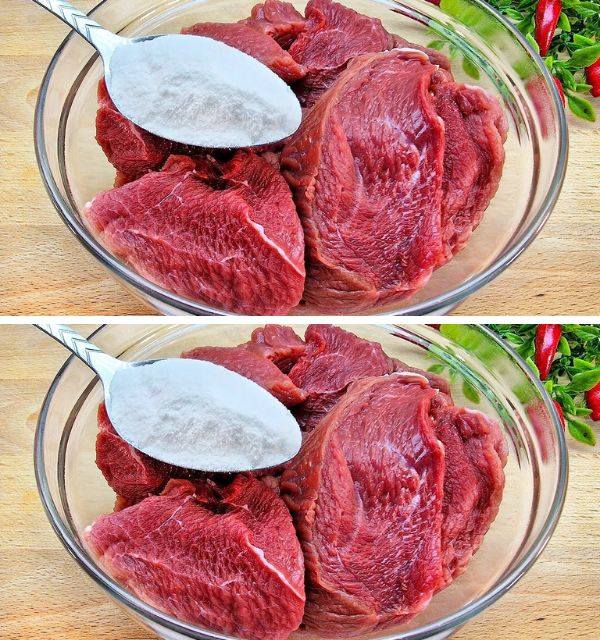
Here’s a detailed explanation of the Oriental method of tenderizing tough meat, commonly used in Chinese and other East Asian cuisines. This technique is famous for making even the toughest cuts soft and silky.
🥩 Oriental Meat Tenderizing Method: “Velveting”
What It Is
Velveting is a cooking technique that coats meat in a protective mixture before stir-frying or deep-frying. It preserves moisture, prevents the meat from toughening, and creates a tender, smooth texture. The meat often appears “velvety,” hence the name.
🧪 Common Ingredients for Velveting
- Cornstarch or potato starch – forms a protective coating around the meat.
- Egg white – helps create a silky texture.
- Rice wine / Shaoxing wine – adds flavor and softens muscle fibers.
- Soy sauce – optional, for mild seasoning.
- Baking soda (optional) – sometimes added for very tough cuts, but used sparingly.
🍳 Step-by-Step Oriental Tenderizing (Velveting)
- Slice the meat thinly or into bite-sized pieces
- Commonly used with beef, chicken, pork, or lamb.
- Cut against the grain for extra tenderness.
- Make a marinade or coating
- Example:
- 1 egg white
- 1–2 tsp cornstarch
- 1 tsp rice wine
- ½ tsp soy sauce
- Mix until smooth.
- Example:
- Coat the meat thoroughly
- Toss meat in the mixture so every piece is lightly covered.
- Pre-cook (optional, for tougher meat)
- Blanching in oil (“oil velveting”): Heat oil to 275–300°F (135–150°C) and briefly submerge meat for 30–60 seconds, then remove.
- Water velveting: Submerge in simmering water or broth for 1–2 minutes, then drain.
- Finish cooking
- Stir-fry, sauté, or incorporate into soups or sauces. The meat stays tender and moist.
🌟 Tips for Best Results
- Thin slices cook faster and remain tender.
- Don’t overcook after velveting — just heat through to prevent meat from toughening.
- Use cornstarch sparingly; too much can make the meat gummy.
- Apply to any tough cut — flank steak, round beef, pork shoulder, or chicken breast work well.
✅ Why It Works
- Egg white + starch + wine form a thin barrier that locks in moisture.
- Partial blanching sets the coating and lightly cooks the meat without toughening fibers.
- Tenderizing effect: Proteins are protected from high heat, preventing them from tightening and becoming chewy.
This method is standard in Chinese restaurants for dishes like:
- Beef with broccoli
- Sweet and sour pork
- Kung Pao chicken
If you want, I can also share a shortcut version for home cooking that tenderizes even cheap, tough cuts in under 15 minutes while keeping them restaurant-soft.
Do you want me to do that?
