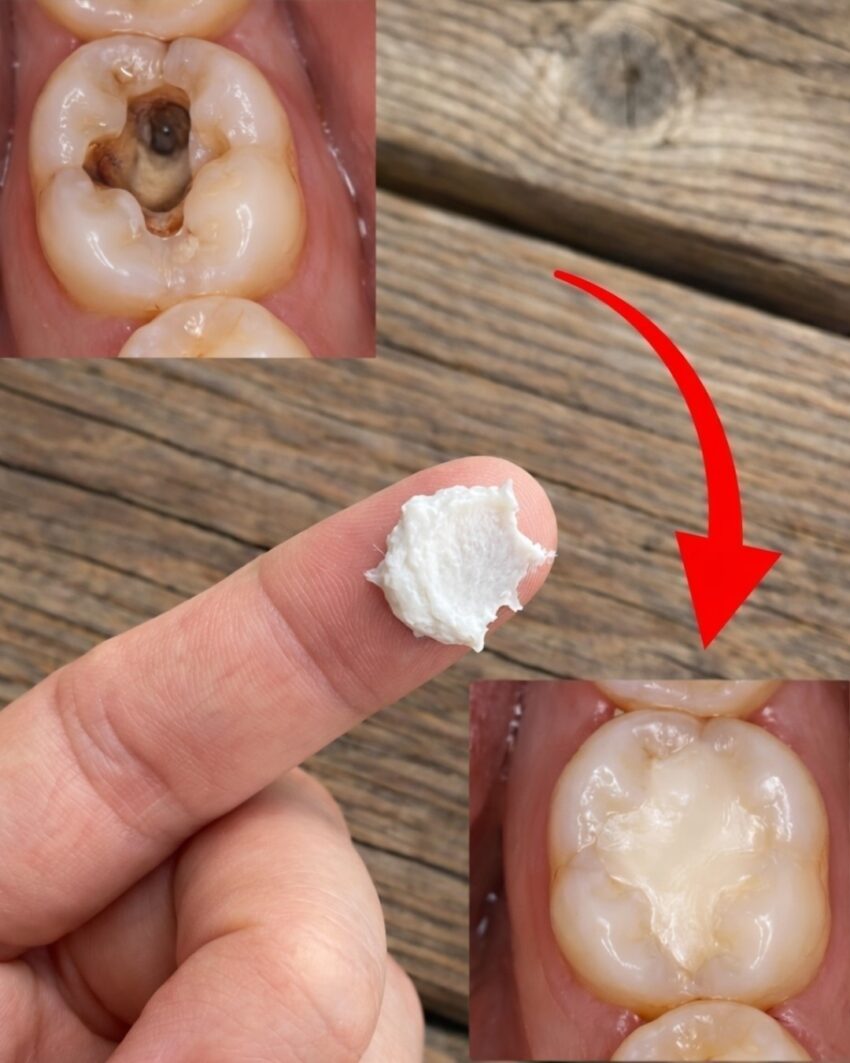
According to recent health data from Rwanda, nearly 40 percent of people aged five and older in the country are affected by untreated dental cavities—a surprisingly high burden of oral disease. This means that a large share of school‑age children and adults are living with decay that hasn’t been treated by a dentist. Children between ages one and nine are particularly at risk of cavities in their primary (baby) teeth. (The New Times)
📊 Key Points About Oral Health in Rwanda
- Untreated dental caries affect almost four in every 10 Rwandans aged five and older. (The New Times)
- Tooth decay is a common but preventable condition that can lead to pain, difficulty eating, and infections if not addressed. (The New Times)
- Children are especially vulnerable, with about one in three children having cavities in their baby teeth. (The New Times)
🦷 Why This Matters
Poor oral health doesn’t just affect teeth—untreated decay can impact:
- Nutrition and eating habits
- School performance in children
- Overall quality of life
- Risk of systemic infections
Regular dental checkups, improved access to care, and community dental programs can help reduce the high rate of untreated cavities in Rwanda. (The New Times)
Let me know if you’d like tips on preventing tooth decay or more details about oral health programs in Rwanda.
