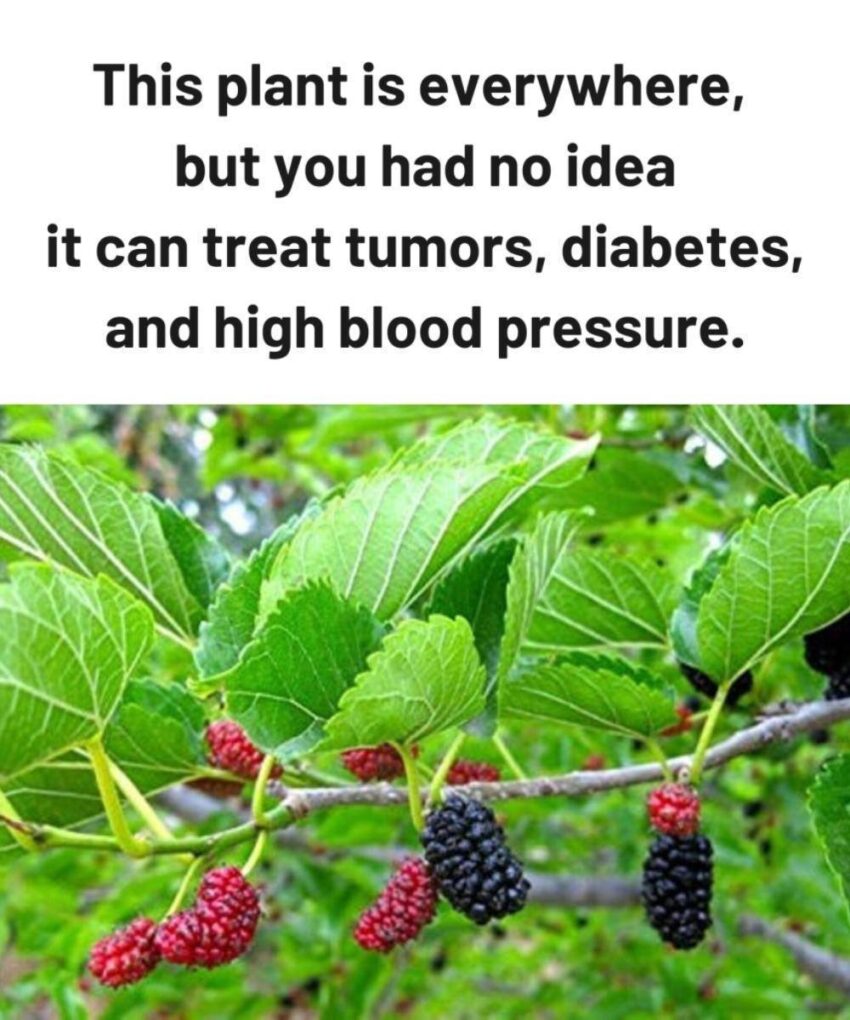
Morus alba, commonly known as white mulberry, is a fast-growing tree native to China but now found in many parts of the world. It’s widely known for its sweet edible fruits and its historical role in silk production.
🌿 Key Facts
- Scientific name: Morus alba
- Common name: White mulberry
- Family: Moraceae
- Origin: China (now naturalized globally)
🍇 Fruit
- Small, berry-like fruits (white, pink, red, or purple when ripe)
- Sweet, mild flavor—sometimes compared to blackberries but lighter
- Can be eaten fresh, dried, or used in jams and desserts
🐛 Interesting Fact
- Leaves of Morus alba are the primary food source of silkworms, which produce silk
👉 This tree is essential to the silk industry
🌱 Uses
- Food: Fruits used in juices, jams, desserts, and teas
- Traditional medicine: Leaves and fruit used in herbal remedies (for blood sugar, cholesterol, etc.)
- Shade tree: Fast-growing and provides good canopy cover
💡 Health Benefits
- Rich in vitamin C, iron, and antioxidants
- May help with:
- Blood sugar control
- Heart health
- Immune support
⚠️ Caution
- Unripe fruits and sap may cause mild stomach upset or irritation
- Can be invasive in some regions due to rapid growth
If you want, I can give you a mulberry tea or jam recipe—they’re surprisingly delicious and not very common.
