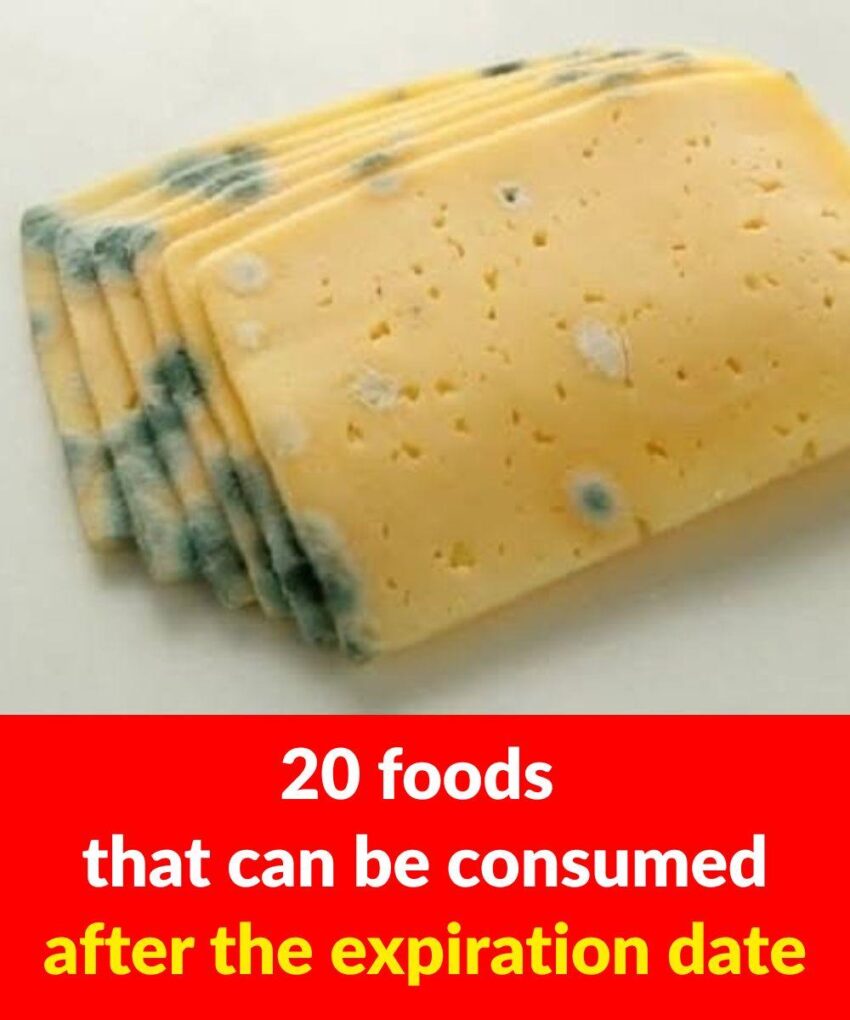
Moldy cheese 🧀 can be safe or unsafe depending on the type of cheese and the mold. Here’s a clear, quick guide.
✅ Cheeses where mold is NORMAL & SAFE
These are made with specific edible molds:
- Blue cheese (Roquefort, Gorgonzola, Stilton)
- Brie & Camembert (white rind)
- Gorgonzola-style cheeses
👉 The mold is intentional and safe to eat.
⚠️ Mold on OTHER cheeses (what to do)
Hard & semi-hard cheeses (often salvageable)
Examples: cheddar, Swiss, Parmesan, Colby, Gouda
- Cut off at least 1 inch (2.5 cm) around and below the mold
- Keep knife clean so mold doesn’t spread
- The rest is usually safe to eat
Soft cheeses (THROW AWAY ❌)
Examples:
- Cream cheese
- Ricotta
- Cottage cheese
- Shredded cheese
- Cheese spreads
👉 Mold can spread invisibly through soft cheeses.
🚫 Always throw away if:
- Cheese smells strongly musty or ammonia-like
- Mold is black, pink, green, or fuzzy on soft cheese
- Cheese has been stored improperly
- You’re unsure what type of mold it is
🧊 Storage Tips to Prevent Mold
- Wrap cheese in wax paper or parchment, then loosely in plastic
- Store in the cheese drawer or veggie drawer
- Don’t let cheese sit in moisture
- Rewrap after each use
Quick rule of thumb
Hard cheese = trim & keep
Soft cheese = toss it
If you want, tell me what kind of cheese it is, and I’ll tell you exactly what to do.
