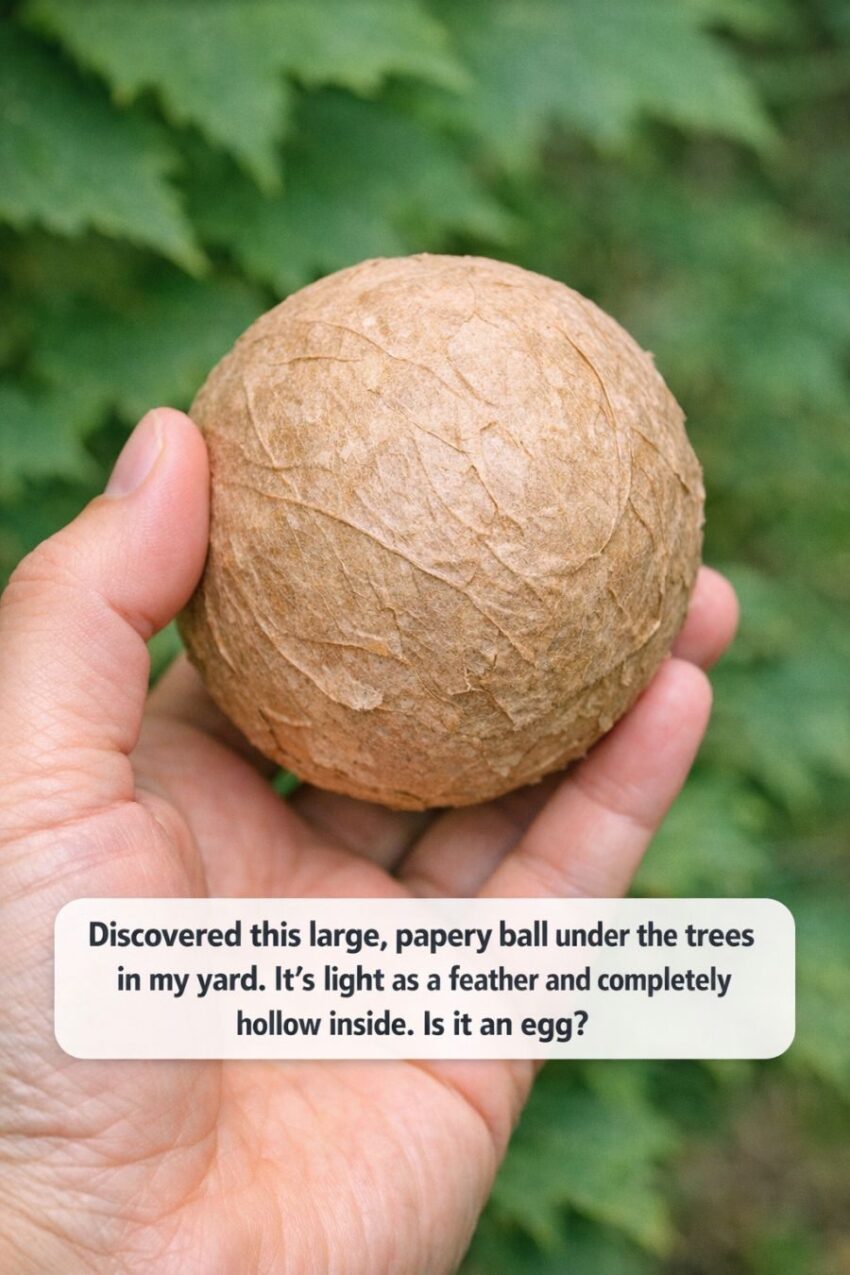
Ah, you’re asking about Mangifera pajang, also known as the bambangan—a tropical fruit native to Borneo, Malaysia, and parts of Southeast Asia. Here’s a detailed overview:
Overview
- Scientific Name: Mangifera pajang
- Common Names: Bambangan, wild mango
- Family: Anacardiaceae (same family as mangoes and cashews)
- Origin: Borneo, particularly Sabah in Malaysia
Description
- Fruit: Large, oval-shaped, often green or yellow when ripe.
- Flesh: Yellow, firm, aromatic, with a unique sour-sweet flavor. Rich in vitamin C and antioxidants.
- Seed: Large and woody, similar to other mango species.
- Tree: Evergreen, can grow quite tall with dense foliage.
Uses
- Culinary: Eaten raw, pickled, or made into chutneys, sauces, and traditional desserts. In Sabah, the flesh is often used in sambal (spicy condiment).
- Medicinal/Traditional: Local communities use parts of the plant in traditional remedies.
- Other: The seeds can be processed for oil in some regions.
Interesting Facts
- Unique Flavor: Bambangan has a stronger aroma and tangier taste than regular mango.
- Cultural Significance: Considered a delicacy in Sabah, often used in festive dishes.
- Conservation: Wild populations are sometimes threatened by deforestation, so sustainable harvesting is important.
If you want, I can also give a recipe idea using Mangifera pajang, like a traditional pickled version or a dessert twist.
Do you want me to do that?
