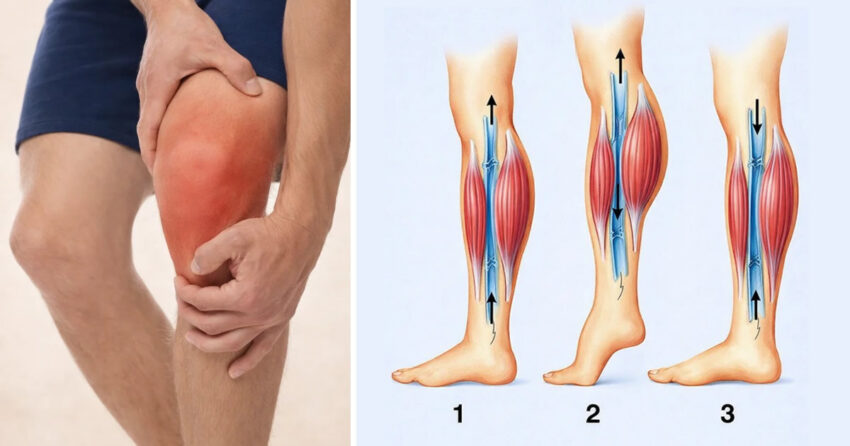
Lower leg pain can arise from many different causes, ranging from mild muscle strain to more serious vascular or neurological conditions. Pinpointing the source depends on location, duration, and associated symptoms. Here’s a structured overview:
1️⃣ Common Causes
Muscle or Tendon Issues
- Muscle strain: Often from exercise, sudden movements, or overuse.
- Calf cramps (charley horse): Sudden, painful contractions, often at night or after exercise.
- Achilles tendonitis: Pain at the back of the lower leg near the heel.
Bone or Joint Problems
- Shin splints: Pain along the front/inner edge of the tibia, common in runners.
- Stress fractures: Tiny cracks in the bone due to repetitive stress; localized, persistent pain.
Vascular Issues
- Deep vein thrombosis (DVT): Pain, swelling, warmth, and redness in one leg — medical emergency.
- Poor circulation / peripheral artery disease (PAD): Cramping or aching when walking, relieved by rest.
Nerve-Related Pain
- Sciatica or lumbar nerve compression: Can radiate from the lower back into the leg.
- Peripheral neuropathy: Tingling, burning, or numbness, often seen in diabetes.
Other Causes
- Infections (rare but serious): Red, warm, swollen leg.
- Inflammatory conditions: Such as arthritis or autoimmune disease.
2️⃣ Red Flag Symptoms – Seek Immediate Care
- Sudden, severe swelling in one leg
- Warmth, redness, or tenderness along a vein
- Numbness or weakness
- Severe pain that prevents walking
- Fever with leg pain
These could indicate DVT, infection, or acute compartment syndrome — urgent evaluation is necessary.
3️⃣ Self-Care & Relief for Mild Cases
- Rest: Avoid activities that worsen pain.
- Ice or heat: Ice for acute injuries; heat for chronic stiffness.
- Elevation & compression: Helps swelling.
- Stretching: Gentle calf stretches if muscles are tight.
- OTC pain relief: NSAIDs like ibuprofen for inflammation.
- Proper footwear: Especially for running or long standing.
4️⃣ When to See a Doctor
- Pain lasts more than a week without improvement
- Pain after minor trauma persists
- Any red-flag symptoms above
A clinician may order:
- Physical exam
- X-ray or MRI (for bones/muscles)
- Ultrasound (for DVT)
- Blood tests if infection or inflammation suspected
If you tell me a bit more about where the pain is exactly, what it feels like, and any recent activity or injury, I can narrow down the most likely causes and suggest next steps.
Do you want to go through that?
