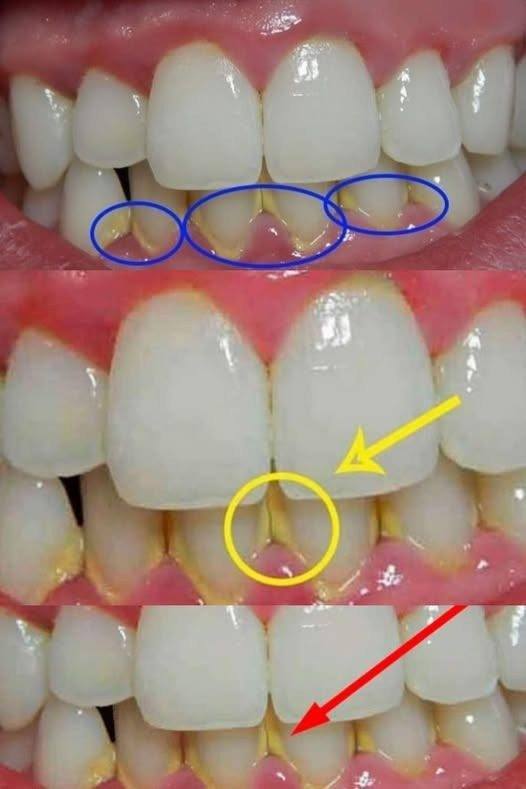
Regular dental cleaning, also known as professional teeth cleaning or prophylaxis, is more than just keeping your smile bright—it’s a critical part of maintaining oral and overall health. Here’s why it’s important:
- Prevents Tooth Decay – Even with daily brushing and flossing, plaque can build up in hard-to-reach areas. Dental cleanings remove plaque and tartar, reducing the risk of cavities.
- Prevents Gum Disease – Plaque buildup can lead to gingivitis (early gum disease) and, if untreated, periodontitis. Regular cleaning keeps gums healthy and prevents inflammation, bleeding, and infection.
- Early Detection of Oral Health Issues – Dentists can spot problems like cavities, cracks, or early signs of oral cancer during routine cleanings. Early detection often means simpler, less costly treatment.
- Reduces Risk of Bad Breath – Persistent bad breath is often caused by plaque and bacteria. Professional cleaning removes these bacteria and helps maintain fresh breath.
- Protects Overall Health – Poor oral health is linked to heart disease, diabetes, and respiratory issues. Keeping your mouth clean can help lower systemic health risks.
- Removes Stains – Professional cleaning can remove surface stains from foods, drinks, or smoking, keeping your teeth whiter and brighter.
- Saves Money in the Long Run – Preventive care is always cheaper than treating advanced dental problems like root canals, extractions, or gum surgery.
- Maintains Healthy Teeth for Life – Regular cleanings help preserve natural teeth and prevent premature tooth loss, supporting good chewing function and overall quality of life.
Tip: Most dentists recommend dental cleaning every six months, but the frequency may vary depending on your oral health, age, and risk factors.
If you want, I can make a simple 5-step guide to maintain oral health between cleanings to complement these professional visits. It’s super practical. Do you want me to do that?
