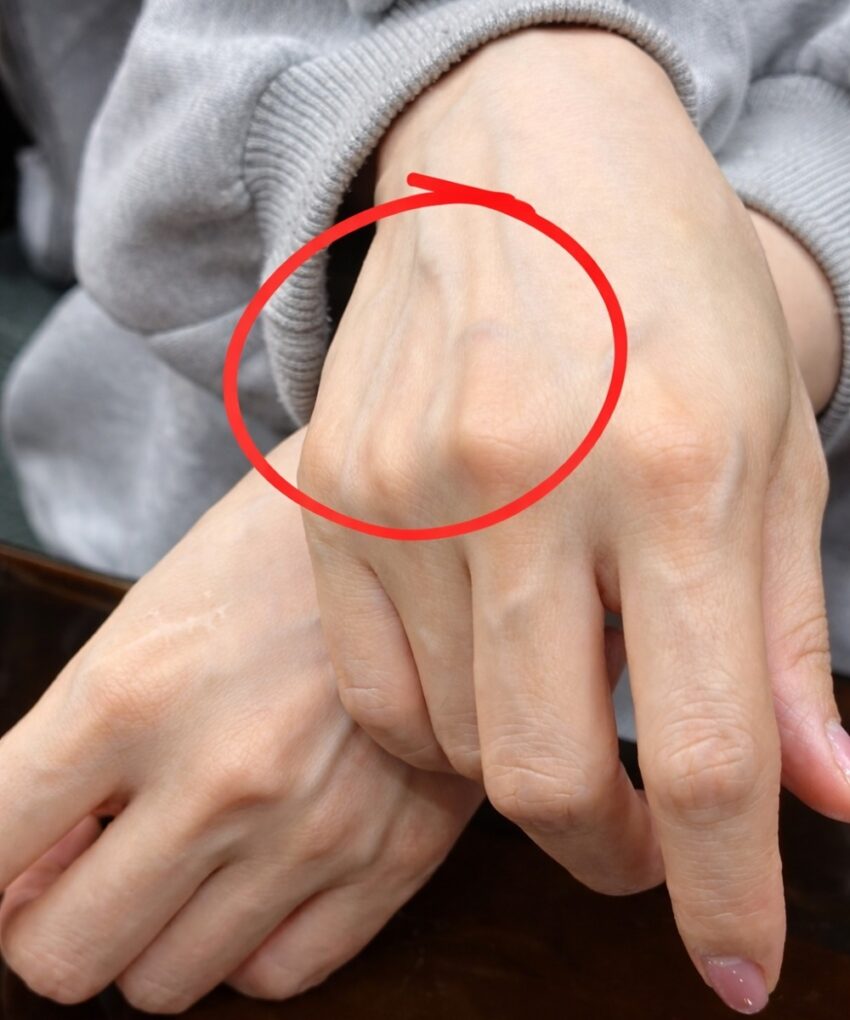
The statement “If you have visible veins, it means you are…” is often used in health or fitness contexts, but it’s important to clarify: visible veins can have different meanings depending on your body type, age, and activity level. Here’s a detailed breakdown:
1. Physiological/Normal Reasons for Visible Veins
Visible veins are often normal and not a sign of illness. They may indicate:
- Low body fat: Less fat under the skin makes veins more noticeable.
- Good muscle tone: Veins may “pop” more in muscular or athletic people.
- Genetics: Some people naturally have more prominent veins.
- Skin tone: Lighter or thinner skin makes veins more visible.
- Temporary causes: Heat, exercise, or standing for long periods can make veins appear more prominent.
2. Fitness & Health Implications
- Athletes or active individuals: Veins often become more visible due to lower subcutaneous fat and increased blood flow.
- During exercise: Veins dilate to increase blood flow to muscles. This is called vascularity.
3. Potential Medical Concerns
Visible veins may sometimes indicate underlying issues:
- Varicose veins: Twisted, bulging veins often in the legs; caused by weak vein valves.
- Vein inflammation or thrombosis: Painful, red, or swollen veins may require medical attention.
- Circulatory problems: Chronic visible veins with swelling or discomfort should be checked.
✅ Key Takeaways
- Visible veins are usually normal, especially if you are healthy, lean, or muscular.
- Medical attention is needed only if veins are painful, swollen, discolored, or accompanied by other symptoms like cramps or ulcers.
- Lifestyle factors like exercise, hydration, and maintaining healthy weight can affect vein visibility.
If you want, I can make a quick guide to what your visible veins might mean for health, fitness, and when to see a doctor, with tips to reduce vein appearance if you prefer. Do you want me to do that?
