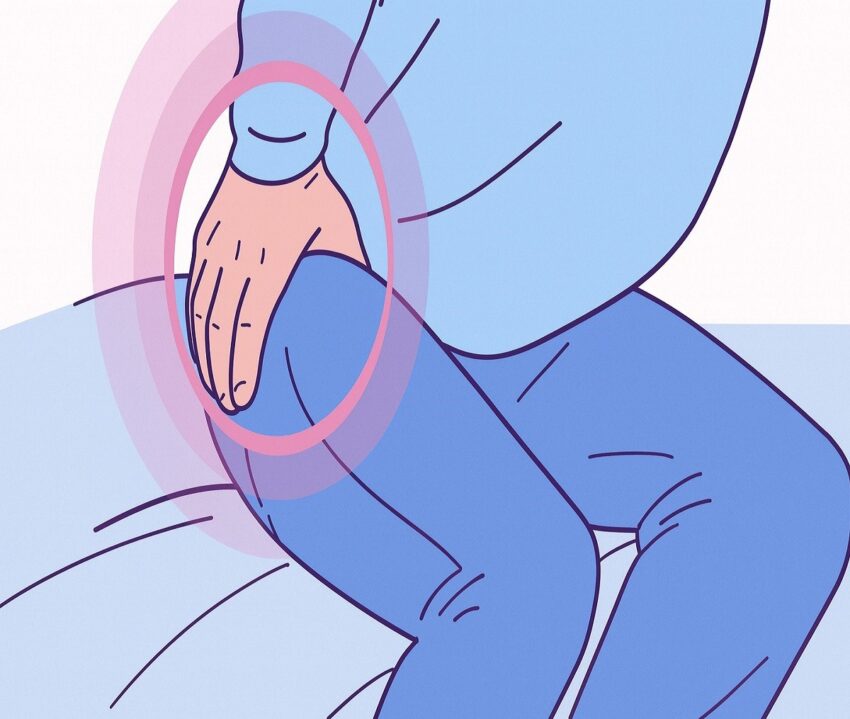
Hip pain can be a signal of a variety of underlying issues—it’s not always one single cause, so it’s important to consider context. Here’s a breakdown:
Common Causes of Hip Pain
- Arthritis
- Osteoarthritis or rheumatoid arthritis can cause aching, stiffness, and reduced mobility.
- Bursitis
- Inflammation of the bursae (fluid-filled sacs) in the hip, often from overuse or repetitive movements.
- Muscle or Tendon Strain
- Overuse, sudden movements, or weak hip muscles can strain tendons and muscles around the hip.
- Hip Fractures
- More common in older adults or after trauma/fall. Immediate medical attention required.
- Hip Labral Tear
- Tear of cartilage lining the hip socket; may cause sharp pain, clicking, or limited motion.
- Referred Pain
- Pain in the hip may come from lower back issues or sciatica.
- Other Medical Conditions
- Infections, vascular problems, or even kidney issues can sometimes present as hip pain.
Signs to Watch For
- Pain worsening with activity or at night
- Stiffness or reduced range of motion
- Swelling, redness, or warmth over the joint
- Clicking, popping, or grinding sensations
What to Do
- Rest & modify activity to reduce strain
- Apply ice or heat depending on the cause
- Physical therapy or strengthening exercises for hip muscles
- Medical evaluation if pain is severe, persistent, or accompanied by swelling, fever, or inability to bear weight
💡 Bottom line: Hip pain is a signal that something in or around your hip joint isn’t right—it could be anything from overuse to arthritis or a more serious issue. If it’s sudden, severe, or persistent, see a healthcare professional for proper diagnosis and treatment.
If you want, I can make a visual chart showing types of hip pain, causes, and warning signs—easy to understand at a glance.
Do you want me to do that?
