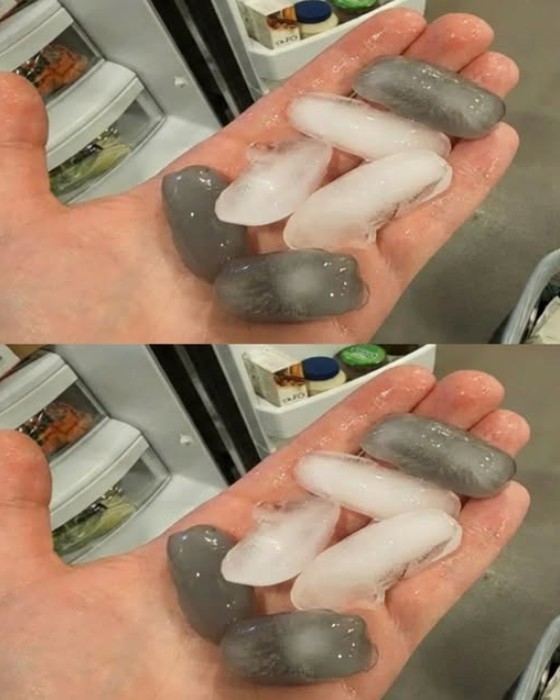
Here’s a detailed guide on ice cubes in a refrigerator, including how they form, common issues, and tips for best results:
❄️ How Ice Cubes Form in a Refrigerator
- Freezer compartment
- Most refrigerators have a freezer section where temperatures are below 32°F (0°C).
- Ice cube trays or automatic ice makers rely on this temperature to freeze water into cubes.
- Ice trays
- Fill trays with water, place them on a level surface in the freezer, and leave until solid (usually 3–4 hours).
- Automatic ice makers
- Many modern refrigerators have built-in ice makers that fill a tray, freeze the water, and eject the cubes into a storage bin.
⚠️ Common Ice Cube Problems
| Problem | Possible Cause | Solution |
|---|---|---|
| Ice cubes stick together | Temperature fluctuations or freezer overfilling | Ensure consistent freezing temp, don’t overfill bin |
| Cloudy ice | Impurities or air in water | Use filtered or boiled water for clearer cubes |
| Slow freezing | Freezer too warm or tray not level | Lower freezer temp, level the tray |
| Ice tastes bad | Old ice or contaminated water | Replace ice regularly, clean trays/bins |
✅ Tips for Perfect Ice Cubes
- Use cold or filtered water to reduce cloudiness.
- Keep freezer well-stocked but not overcrowded for consistent temperatures.
- Clean ice trays and bins regularly to prevent odors or buildup.
- For clear ice, boil water first, let it cool, then freeze slowly.
If you want, I can also give a step-by-step guide for making perfectly clear, restaurant-style ice cubes in your home freezer.
Do you want me to provide that?
