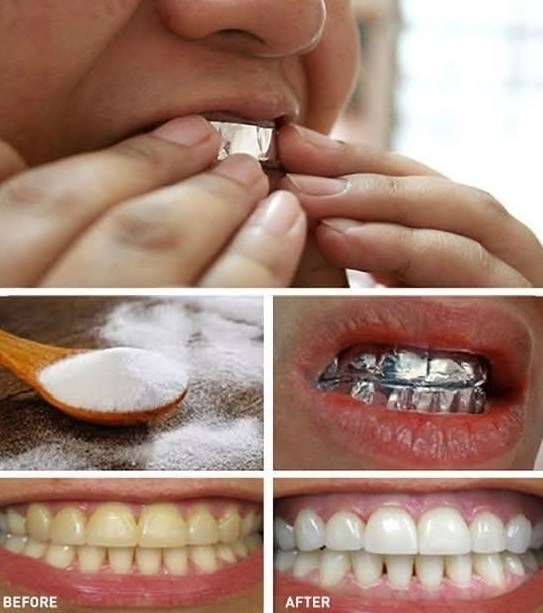
Using salt and garlic to whiten teeth is not recommended by dental professionals. While there are plenty of DIY claims online, both ingredients can damage teeth and gums if misused. Here’s a clear breakdown:
Why People Use It
- Salt: Mild abrasive, sometimes thought to “scrub” surface stains.
- Garlic: Contains allicin, which has antibacterial properties. Some suggest it could fight oral bacteria.
Risks
- Enamel Erosion – Salt is abrasive; scrubbing too hard can wear away enamel, leading to sensitivity.
- Gum Irritation – Garlic can burn or irritate soft tissues in the mouth.
- Ineffective Whitening – Salt and garlic do not remove deep stains caused by coffee, tea, smoking, or aging.
- Bad Breath/Aftertaste – Garlic smell can linger even after brushing.
Safe Alternatives for Teeth Whitening
- Professional whitening: Dentist-supervised treatments are safe and effective.
- Whitening toothpaste: Mild abrasives and peroxide-based formulas remove surface stains safely.
- Baking soda (occasional use): Mildly abrasive, safer than salt if used sparingly.
- Oil pulling (e.g., coconut oil): Some evidence suggests it may reduce bacteria and improve oral hygiene.
- Good oral hygiene: Brushing twice daily, flossing, and regular dental checkups.
✅ Bottom line:
- Salt + garlic may look natural, but it’s risky and largely ineffective.
- Stick to dentist-approved methods for whitening to avoid permanent enamel or gum damage.
If you want, I can give a step-by-step, safe at-home teeth whitening routine using natural ingredients that won’t damage enamel. It’s simple and effective. Do you want me to do that?
