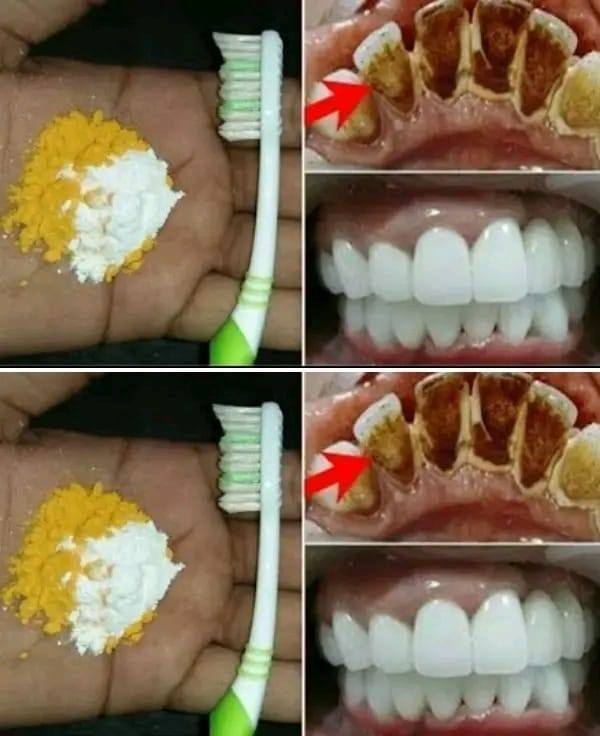
Here’s a detailed guide on home teeth whitening, including safe methods, tips, and precautions:
1. Over-the-Counter Whitening Products
- Whitening Strips: Thin, peroxide-coated strips applied directly to teeth.
- Whitening Gels: Clear gels applied with a small brush.
- Whitening Toothpaste: Contains mild abrasives or low-concentration peroxide.
Tip: Follow instructions carefully—overuse can cause tooth sensitivity or enamel damage.
2. Natural/Home Remedies (Cautious Use)
- Baking Soda: Mildly abrasive; can help remove surface stains.
- Hydrogen Peroxide (Low Concentration 1–3%): Can be used as a diluted mouth rinse, not swallowed.
- Activated Charcoal: Controversial—may remove surface stains but can be abrasive.
Warning: Avoid harsh scrubbing, which can erode enamel.
3. Lifestyle Tips for Maintaining Whiter Teeth
- Limit staining foods and drinks: Coffee, tea, red wine, and dark berries.
- Rinse after meals: Helps reduce surface stains.
- Quit smoking: Tobacco causes deep staining.
- Regular brushing and flossing: Essential for maintaining results.
4. Professional Options at Home
- Custom trays from dentist: Allow for safe application of stronger bleaching agents.
- LED whitening kits: Often combined with gels; results vary.
5. Safety & Precautions
- Avoid excessive whitening—can cause tooth sensitivity and gum irritation.
- Not recommended for children under 12 or pregnant/nursing women without consulting a dentist.
- See a dentist first if you have tooth decay, exposed roots, or gum disease.
💡 Tip: Gradual, consistent whitening is safer and more effective than trying quick, aggressive methods.
If you want, I can make a step-by-step 1-week home teeth whitening plan using safe OTC products that balances effectiveness with minimal sensitivity. Do you want me to do that?
