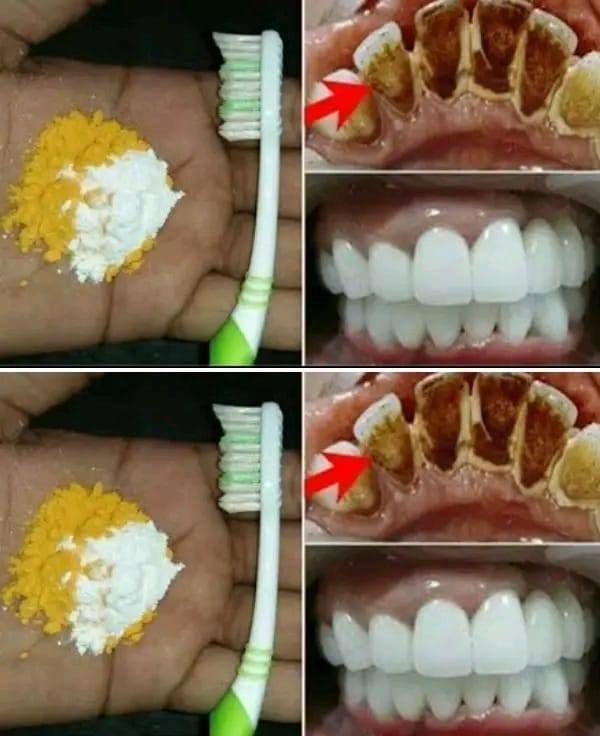
Here’s a safe and practical guide to home teeth whitening—what works, what to avoid, and how to get the best results without damaging enamel.
✅ Effective At-Home Whitening Options
1. Whitening Toothpaste
- Removes surface stains from coffee, tea, and smoking.
- Works gradually over 2–6 weeks.
- Safe for daily use (choose one with fluoride).
2. Whitening Strips
- Contain low concentrations of hydrogen peroxide.
- Noticeable results in 7–14 days.
- Follow instructions carefully to avoid sensitivity.
3. Whitening Gels & Trays
- Available over the counter or from a dentist (custom trays are more effective).
- Can lighten teeth several shades over 1–2 weeks.
4. LED Whitening Kits
- Use peroxide gel activated by LED light.
- Can enhance results but peroxide is the main whitening agent.
🦷 Natural Methods (Mild Results)
Baking Soda
- Gently removes surface stains.
- Use only 1–2 times per week to avoid enamel wear.
Oil Pulling (Coconut Oil)
- May reduce bacteria and plaque.
- Does not dramatically whiten, but can improve oral health.
⚠️ What to Avoid
- Lemon juice or vinegar (too acidic → enamel damage)
- Charcoal powders (can be abrasive)
- High-concentration peroxide without supervision
💡 Tips for Better Results
- Brush and floss daily.
- Rinse after coffee, tea, or wine.
- Use a soft-bristled toothbrush.
- Avoid smoking or tobacco.
- Get professional cleanings regularly.
When to See a Dentist
- If you have sensitive teeth, gum disease, cavities, or restorations (crowns/fillings won’t whiten).
- For faster, stronger whitening (in-office treatments work in one visit).
Bottom Line
Home whitening can safely brighten your smile if done properly. The key is consistency and protecting your enamel.
If you’d like, I can also share a 7-day safe whitening plan that balances results with enamel protection.
