Ah! You want guidance on choosing something based on its color — “judging from the color of the …” is usually about making decisions where color indicates quality, ripeness, safety, or suitability. Here’s a detailed breakdown for common scenarios:
1. Fruits and Vegetables
Color is often the best indicator of ripeness, freshness, and nutrient content.
| Food | What Color Indicates | Tip |
|---|---|---|
| Bananas | Bright yellow (few brown spots) | Perfectly ripe; green = under-ripe, brown = over-ripe |
| Tomatoes | Deep red | Sweet and juicy; avoid green or pale spots |
| Bell Peppers | Vibrant red, yellow, or orange | Indicates sweetness; green is less ripe |
| Avocados | Dark green/black (for Hass variety) | Slightly soft when pressed; hard = unripe, mushy = overripe |
| Spinach/Leafy greens | Deep green | Fresh, nutrient-rich; yellowing leaves = old |
2. Meat and Fish
Color helps judge freshness and doneness.
| Food | Good Color | Tip |
|---|---|---|
| Beef | Bright red | Brown or gray means aging; marbling = tenderness |
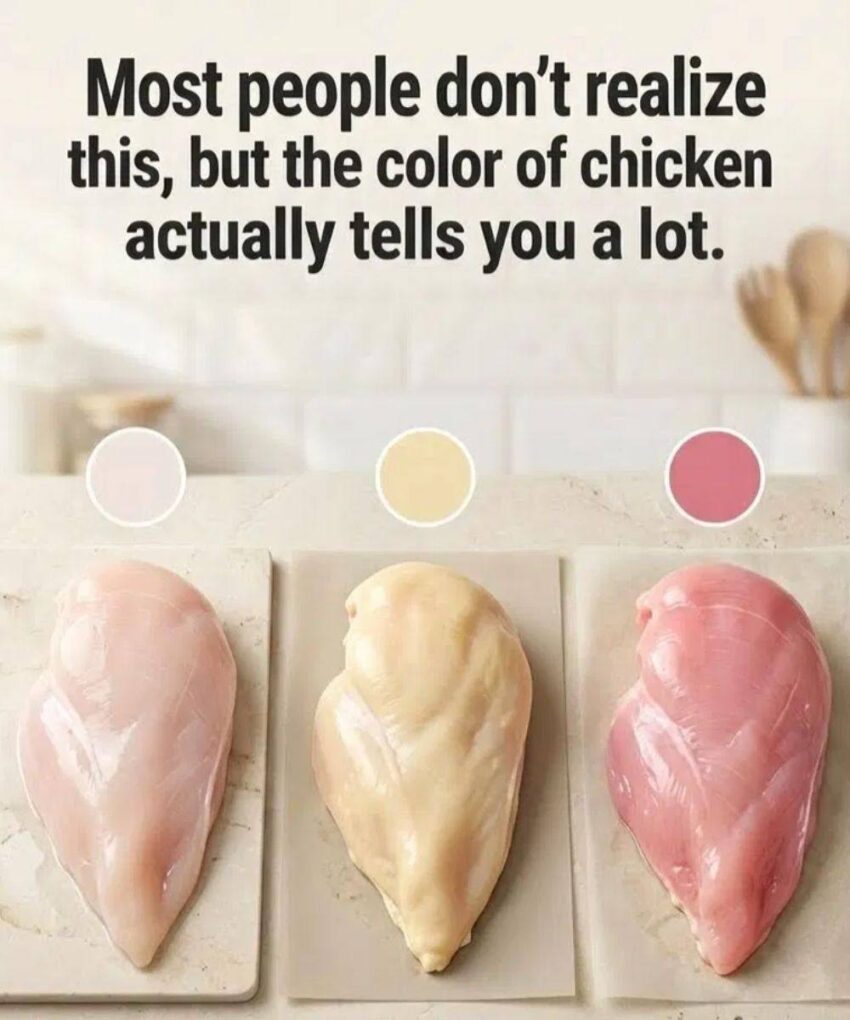
| Chicken | Pink, slightly shiny | Gray or greenish = avoid |
| Fish | Pink or translucent | Dull or brown = old; eyes should be clear |
3. Clothing and Accessories
Color affects style, suitability, and matching.
- Skin tone matching: Warm tones → earthy colors (brown, orange, warm red). Cool tones → jewel colors (blue, purple, pink).
- Occasion: Dark colors (black, navy) → formal; bright colors → casual or festive.
- Maintenance: Light colors → show stains easily; dark colors → fade faster in sunlight.
4. Home Decor & Paint
Color can influence mood and space perception.
- Light colors → make rooms feel bigger and brighter.
- Dark colors → cozy, intimate feel.
- Matching → Coordinate with flooring, furniture, and natural light.
5. Makeup & Personal Care
Color indicates shade suitability and health safety.
- Lipstick → Should complement your skin tone.
- Foundation → Match jawline color to avoid mismatched face/neck.
- Eye shadow → Can contrast or complement eye color for emphasis.
✅ General Tips for Choosing by Color
- Know what color signals for your item (ripeness, freshness, suitability).
- Look for vibrancy or uniformity — dull, uneven, or brownish shades often indicate age, spoilage, or mismatch.
- Test lightly if possible — smell, feel, or taste can confirm color-based assumptions.
- Consider context — e.g., ripe doesn’t always mean ready-to-eat; some foods continue ripening after purchase.
If you tell me exactly what you’re choosing (fruit, clothing, paint, etc.), I can make a step-by-step color-based guide tailored specifically to that item.
Do you want me to do that?
