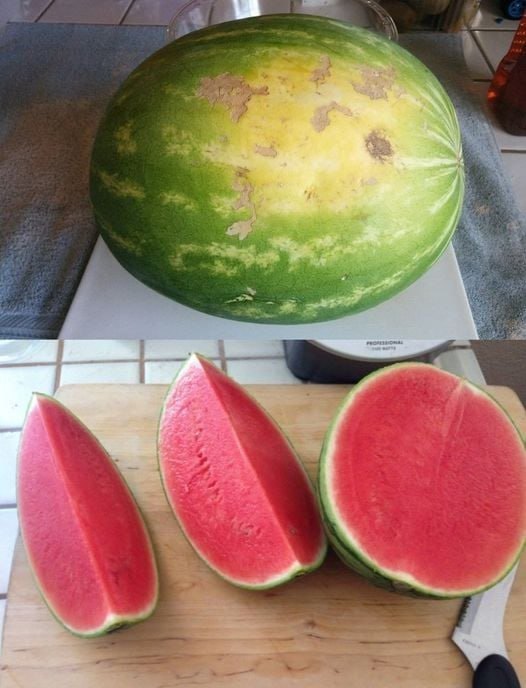
Ah, heirloom plants—these are fascinating because they’re not just plants, they’re living pieces of history. 🌱✨
What an Heirloom Plant Is
- Definition: A plant variety that has been passed down through generations, often for 50 years or more.
- Characteristics:
- Open-pollinated (pollinated naturally by insects, birds, wind)
- Seeds can be saved and will produce plants true to type (unlike hybrids, which may not)
- Often prized for flavor, color, or unique traits rather than uniform appearance.
Examples of Heirloom Plants
- Vegetables:
- Tomatoes (Brandywine, Cherokee Purple)
- Peppers (Jimmy Nardello, Bolivian Rainbow)
- Beans (Scarlet Runner, Jacob’s Cattle)
- Fruits:
- Apples (Gravenstein, Honeycrisp heirloom varieties)
- Peaches (Elberta, Red Haven)
- Flowers:
- Marigolds, sunflowers, and roses that have been grown and preserved over decades.
Why Heirlooms Are Special
- Flavor: Often richer and more complex than modern hybrids.
- Diversity: Help preserve genetic diversity in crops.
- Seed Saving: You can save seeds and grow the same variety next year.
- History: Some varieties have been cultivated for centuries in specific regions.
Tips for Growing Heirloom Plants
- They may be less disease-resistant than hybrids, so watch for pests.
- They usually thrive in well-draining soil and full sun.
- Save seeds at the end of the season to continue the lineage.
If you want, I can make a list of 10 easy-to-grow heirloom vegetables for beginners, perfect for starting a home garden with flavor and history.
Do you want me to do that?
