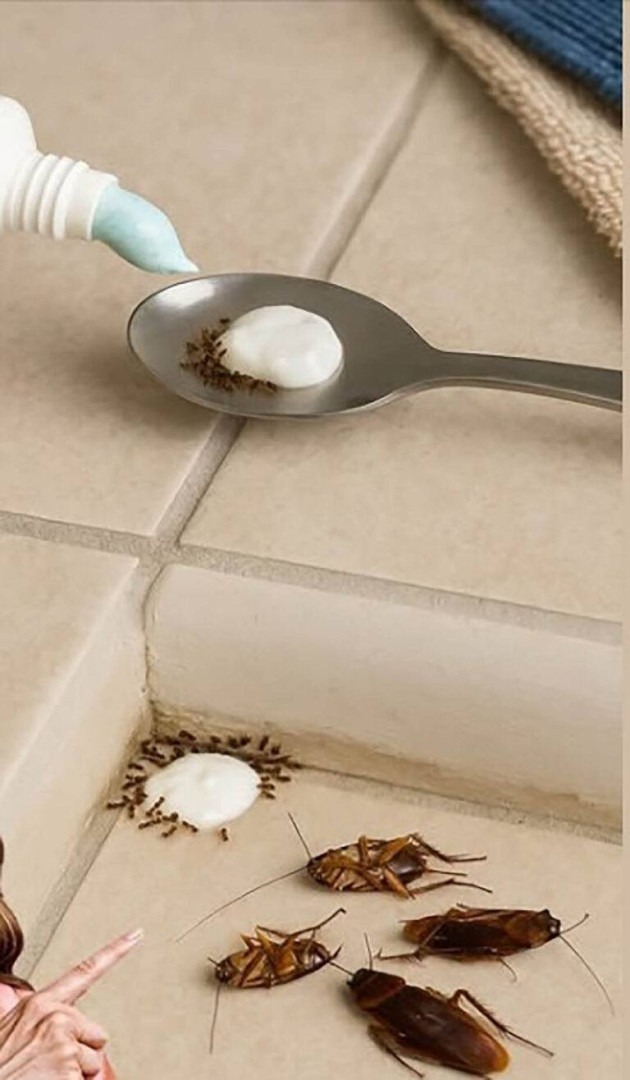
🪳 German cockroach
The German cockroach (Blattella germanica) is one of the most common and troublesome indoor cockroach species worldwide. Despite the name, it likely originated in Southeast Asia and spread globally through trade and travel.
🔎 Identification
- Size: 1.1–1.6 cm (½–⅝ inch)
- Color: Light brown to tan
- Distinct feature: Two dark parallel stripes running from the head down the back
- Wings: Present, but they rarely fly
🏠 Where They Live
German cockroaches prefer warm, humid indoor environments, especially:
- Kitchens
- Bathrooms
- Behind refrigerators and stoves
- Inside cabinets
- Around plumbing
They are rarely found outdoors in cooler climates.
⚠️ Why They’re a Problem
- Extremely fast breeders (one female can produce thousands of offspring per year)
- Can spread bacteria like Salmonella and E. coli
- Trigger asthma and allergies
- Difficult to eliminate once established
🥚 Life Cycle
- Egg → Nymph → Adult
- Development can take as little as 6–8 weeks
- Live about 100–200 days
Their rapid reproduction makes early control critical.
🛑 How to Get Rid of German Cockroaches
1. Sanitation
- Seal food tightly
- Clean spills immediately
- Remove trash daily
- Fix leaks (they need water)
2. Baiting (Most Effective)
- Use gel baits in cracks and crevices
- Avoid spraying near bait (spray reduces effectiveness)
3. Insect Growth Regulators (IGRs)
- Prevent nymphs from maturing
4. Seal Entry Points
- Caulk cracks
- Repair gaps around pipes
5. Professional Pest Control
- Often necessary for heavy infestations
🚨 Signs of Infestation
- Small black droppings (pepper-like)
- Musty odor
- Egg cases (tan capsules)
- Seeing them during the day (indicates large population)
If you’d like, I can also explain how to tell German cockroaches apart from American or Oriental cockroaches, or help you with a step-by-step treatment plan for your home.
