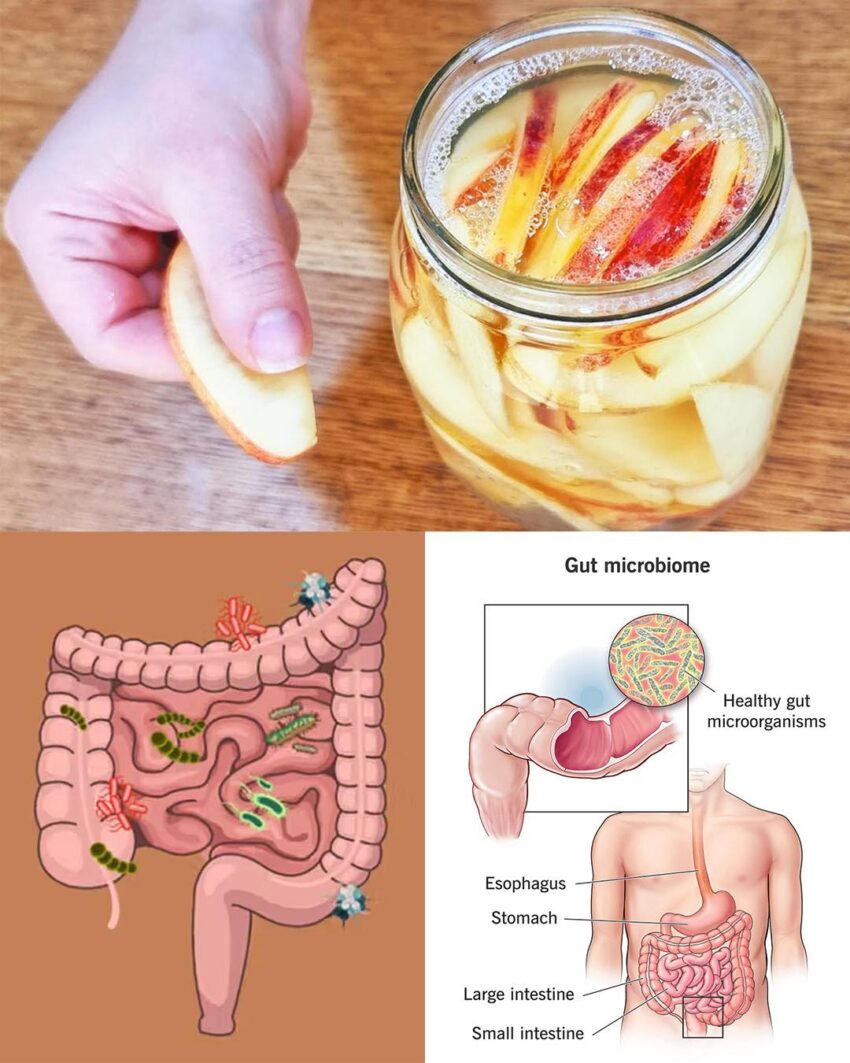
The gastrointestinal (GI) tract is the body’s digestive system — a continuous tube that processes food, absorbs nutrients, and eliminates waste. Here’s a clear overview:
🧬 Structure of the GI Tract
- Mouth
- Where digestion begins
- Chewing and saliva start breaking down food
- Esophagus
- Muscular tube connecting mouth to stomach
- Moves food via peristalsis (wave-like contractions)
- Stomach
- Secretes acid and enzymes to break down proteins
- Churns food into chyme (semi-liquid mix)
- Small Intestine (Duodenum → Jejunum → Ileum)
- Main site for nutrient absorption
- Enzymes from pancreas and bile from liver aid digestion
- Large Intestine (Colon)
- Absorbs water and electrolytes
- Forms and stores feces
- Rectum & Anus
- Stores feces until elimination
🧪 Accessory Organs
- Liver: Produces bile to emulsify fats
- Gallbladder: Stores and releases bile
- Pancreas: Produces digestive enzymes and bicarbonate
🩺 Functions
- Breaks down food into nutrients
- Absorbs vitamins, minerals, carbs, fats, and proteins
- Removes waste products
- Maintains fluid and electrolyte balance
- Houses gut microbiome for immune and digestive health
⚠️ Common GI Tract Issues
- Acid reflux / GERD – stomach acid irritates esophagus
- Irritable bowel syndrome (IBS) – abdominal discomfort, altered bowel habits
- Constipation / diarrhea – fluid absorption imbalance
- Inflammatory bowel disease (IBD) – Crohn’s disease, ulcerative colitis
- Infections – viral, bacterial, or parasitic
💡 Quick Tip
Supporting GI health involves:
- High-fiber diet (fruits, vegetables, whole grains)
- Adequate hydration
- Probiotics (yogurt, fermented foods)
- Limiting processed and fatty foods
- Regular physical activity
If you want, I can make a visual step-by-step “journey of food” through the GI tract showing exactly where digestion and absorption happen. It’s really easy to understand. Do you want me to do that?
