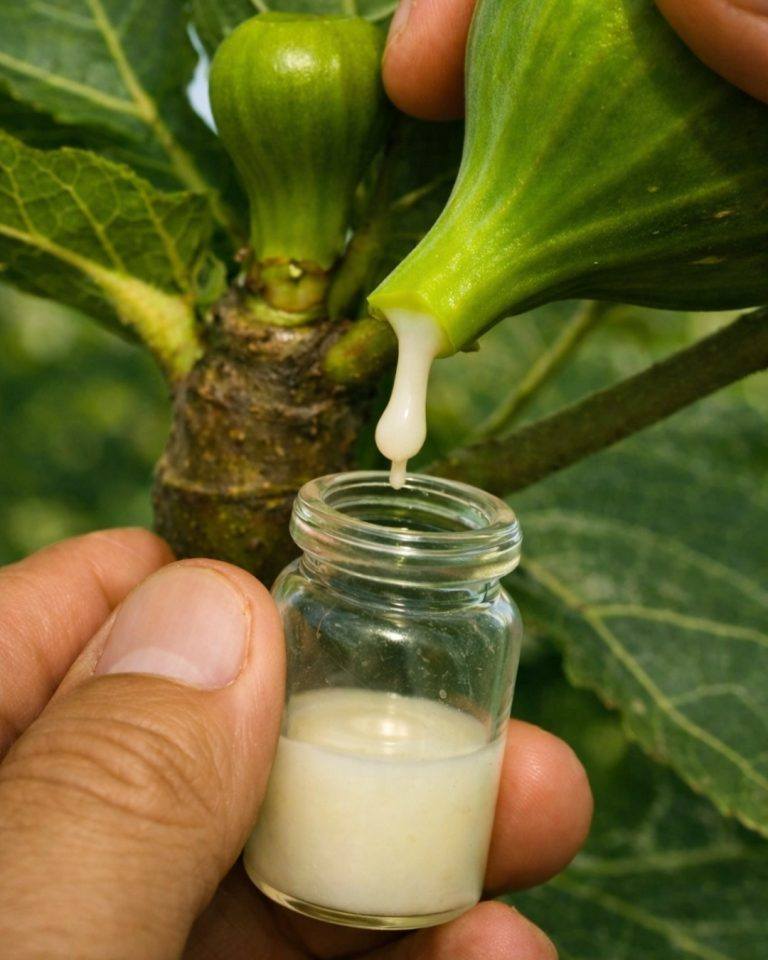
Fig is a sweet, juicy fruit that comes from the fig tree (Ficus carica). Figs have been cultivated for thousands of years and are valued for their delicate flavor and rich texture. 🍇
Key Features
- Size: Small to medium, with a diameter of about 2–3 inches
- Color: Typically purple, green, or yellow, depending on the variety
- Shape: Round or pear-shaped with a smooth skin
- Flesh: Soft, with a jam-like texture and tiny edible seeds
- Taste: Sweet, slightly earthy, and sometimes tangy
Nutritional Benefits
- Rich in fiber: Great for digestion
- High in vitamins and minerals: Includes vitamin K, potassium, calcium, magnesium, and antioxidants
- Natural sweetness: A great alternative to sugary snacks, making them ideal for natural sweetening in dishes
- Rich in iron: Helps with red blood cell production
How to Eat Figs
- Fresh: Eaten as a snack or added to salads
- Dried: Used in baked goods, jams, and snacks
- In baking: Fig cakes, tarts, or cookies
- With cheese: Figs pair wonderfully with cheeses like goat cheese, brie, or blue cheese
- In smoothies: Blended with other fruits for a natural, creamy texture
Storage Tips
- Fresh figs: Store in the fridge and eat within a few days, as they are very perishable.
- Dried figs: Can be stored in a cool, dry place for months.
💡 Fun Fact: Figs are one of the oldest cultivated fruits, and they have been referenced in historical texts like the Bible and ancient Egyptian writings. Their seeds symbolize fertility and abundance.
If you want, I can also show you:
- How to make homemade fig jam
- The best way to dry figs
- What figs pair with in cooking or charcuterie boards.
