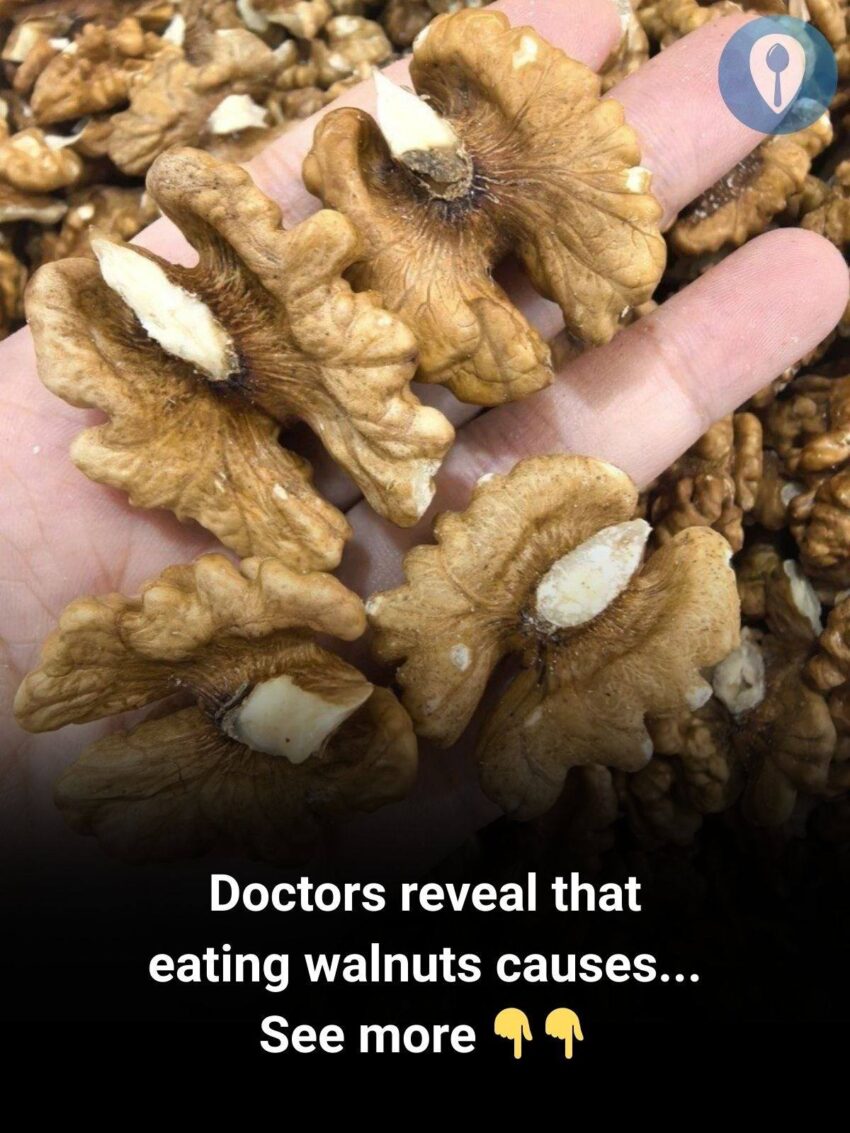
The English walnut is a type of tree and nut well-known for its edible seeds and valuable wood. Here’s a detailed overview:
🌳 Botanical Information
- Scientific name: Juglans regia
- Common names: English walnut, Persian walnut, common walnut
- Origin: Native to the mountainous regions of Central Asia, particularly Iran and surrounding areas. It is now cultivated worldwide.
- Type: Deciduous tree, can grow 60–80 feet tall, with broad leaves and spreading branches.
🥜 Nut Characteristics
- Appearance: Smooth, brown shell with a wrinkled, brain-like kernel inside.
- Flavor: Mild, buttery, and slightly sweet.
- Uses:
- Eaten raw, roasted, or candied
- Used in baking (cakes, cookies, breads)
- Added to salads, pesto, and savory dishes
- Walnut oil can be extracted for culinary and cosmetic purposes
🌿 Cultivation
- Climate: Prefers temperate climates with cold winters for dormancy.
- Soil: Deep, well-drained, fertile soil; avoids waterlogging.
- Harvest: Nuts are typically harvested in late summer to early autumn when they naturally fall from the tree.
🌟 Health Benefits
- Rich in omega-3 fatty acids, antioxidants, and essential vitamins (like vitamin E).
- Supports heart health, brain function, and anti-inflammatory effects.
- High in protein and fiber, making them nutritious snacks.
⚠️ Notes
- Can cause allergic reactions in sensitive individuals.
- Walnuts are prone to rancidity if not stored properly; keep in a cool, dry place or refrigerate.
If you want, I can also provide a comparison between English walnuts and black walnuts, which are often confused but have different flavors and uses.
Do you want me to do that?
