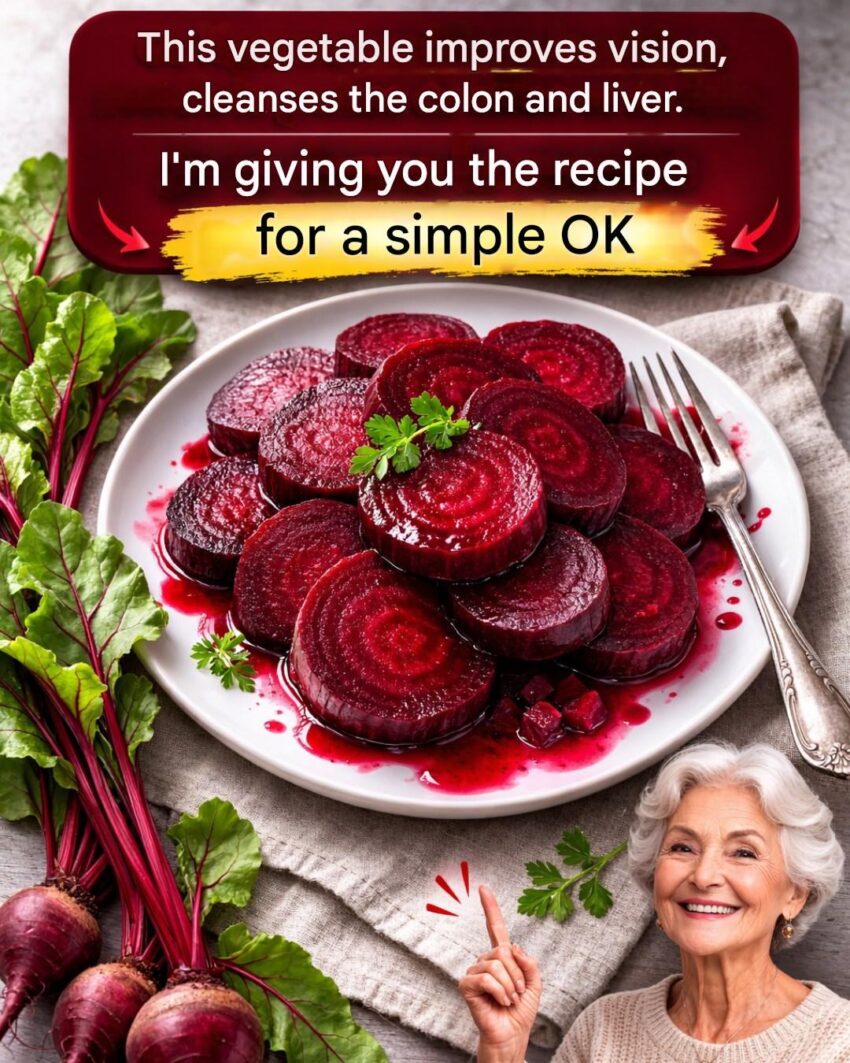
Eating beets is generally healthy for most people, but doctors and nutrition experts say certain effects — especially when eaten in large amounts — can occur. Here’s what medical and health sources report about what eating beets causes (both good and things to watch out for):
✅ Common and Mostly Harmless Effects
1. Red or pink urine or stool (Beeturia)
Beets contain strong red pigments (betalains). After eating them, some people’s urine or stool may turn red or pink — this looks like blood but is harmless. (livestrong.com)
2. Lowered blood pressure
Beets are rich in nitrates, which the body converts into nitric oxide. This molecule relaxes and widens blood vessels, helping lower blood pressure — a beneficial effect for heart and vascular health. (webmd.com)
⚠️ Things Doctors Warn About (Especially in Excess)
3. Digestive discomfort
Because beets are high in fiber and FODMAPs like fructans, eating large amounts can cause gas, bloating, cramps, or loose stools in some people. (verywellhealth.com)
4. Oxalates and kidney stones risk
Beets contain oxalates, which can bind with calcium in the body. In people prone to calcium oxalate kidney stones, high oxalate intake may contribute to stone formation. (timesofindia.indiatimes.com)
5. Blood pressure dipping too low
Although lowering blood pressure is often good, very large amounts of beet nitrates might cause hypotension — dizziness or fainting in sensitive individuals. (timesofindia.indiatimes.com)
6. Allergic reactions
Some people experience allergic symptoms — itching, swelling, tightness in the throat, or more rarely anaphylaxis — after eating beets. (Livestrong)
7. May affect people with gout or high uric acid
Beets contain purines that break down into uric acid, which can trigger gout flares in susceptible individuals if eaten excessively. (WebMD)
8. Potential interactions with medications
Because nitrates in beets affect blood pressure and circulation, they can interact with blood pressure or heart medications. Doctors advise caution and medical guidance in such cases. (IERE)
💡 Bottom Line
- Moderation is key: For most people, eating beets in reasonable amounts is safe and nutritious.
- Beneficial effects include improved circulation, antioxidant protection, and possible blood pressure reduction.
- Watch out for: beeturia, digestive upset, kidney stone risk if prone, allergic reactions, and interactions with some medications.
- If you have specific health conditions (e.g., kidney stones, gout, low blood pressure, or heart medication use), talk to a doctor about how often you should eat beets. (The Times of India)
Would you like a simple beet‑based recipe that maximizes nutrition while minimizing side effects? (I can tailor it to your goals — e.g., blood pressure support, detox, or smoothie ideas.)
