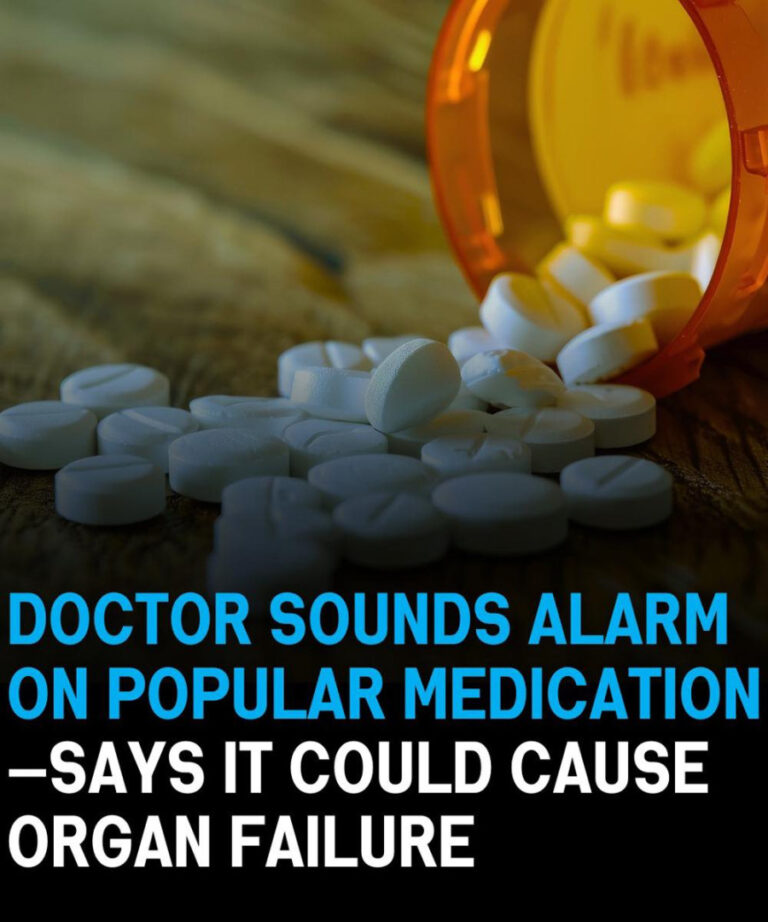
When you see headlines like “Doctor sounds alarm on popular medication”, they’re often written to grab attention—but there can be real risks behind certain drugs, especially for specific groups. Here’s a careful breakdown:
⚠️ What It Usually Means
- Side effects may be underreported
- Even common medications can cause serious complications in some patients.
- Older adults are more vulnerable
- Reduced kidney, liver, or heart function can make side effects more likely.
- Interactions with other drugs
- Popular medications may interact with prescriptions, supplements, or even over-the-counter drugs.
Common Medications That Can Trigger Warnings
While the headline doesn’t specify, doctors often highlight these categories:
| Medication Type | Potential Risk |
|---|---|
| NSAIDs (ibuprofen, naproxen) | Can raise risk of heart attack, stroke, kidney damage, especially with long-term use |
| Certain blood thinners | Risk of bleeding complications |
| Sedatives / Sleep aids | Falls, confusion, dependence, particularly in older adults |
| Some heart or blood pressure meds | Can cause low blood pressure or electrolyte imbalances if not monitored |
| High-dose decongestants or stimulants | May raise blood pressure or strain the heart |
✅ How to Stay Safe
- Do not stop medications suddenly—consult your doctor first.
- Review all prescriptions regularly with your doctor or pharmacist.
- Report new symptoms immediately (dizziness, fatigue, bleeding, chest pain).
- Ask about alternatives or lower doses if side effects are concerning.
- Avoid self-medicating based on alarming headlines.
💡 Bottom line:
“Popular medication” warnings aren’t always about everyone—they usually highlight risks for specific populations or circumstances. The safest approach is personalized review with your healthcare provider rather than stopping a pill abruptly.
If you want, I can make a list of 5 common medications that doctors often warn older adults about, along with safe monitoring tips and alternatives.
Do you want me to do that?
