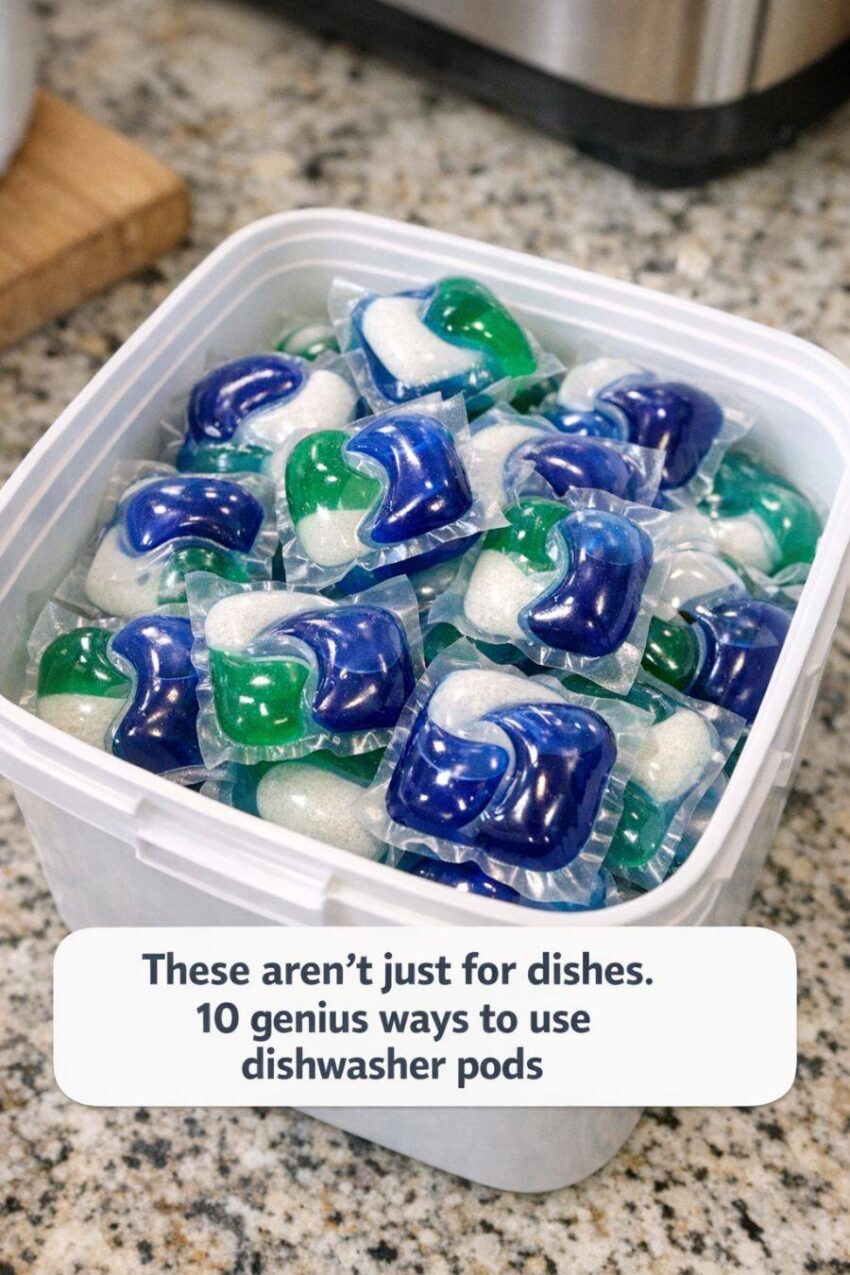
Here’s a detailed overview of dishwasher pods — what they are, how they work, and safe usage:
🧼 What Are Dishwasher Pods?
Dishwasher pods (also called dishwasher tablets or dishwasher packs) are pre‑measured, single‑use detergent units designed for automatic dishwashers. They usually contain:
- Detergent powder or gel
- Rinse aid
- Enzymes (to break down food)
- Sometimes salt or water softeners
- Protective film (dissolvable PVA/plastic)
They eliminate the need to measure powder or liquid manually.
🧩 How They Work
- Place the pod in the dishwasher’s detergent dispenser — not in the utensil basket or bottom of the dishwasher.
- Close the dispenser and start your wash cycle.
- The water dissolves the pod’s film and releases cleaning agents at the correct time during the cycle.
Most pods are designed to dissolve in both standard and low‑water wash cycles.
🧪 Common Ingredients
- Surfactants: Break up grease and food residue
- Enzymes (proteases, amylases): Digest proteins and starches
- Builders (phosphates or alternatives): Soften hard water and boost cleaning
- Polymers: Prevent redepositing of soils
- Rinse aids: Help water sheet off dishes for faster drying
- Fragrance and brighteners: For scent and shine
Ingredient formulations vary by brand and region (some countries restrict phosphates).
✔️ Advantages of Dishwasher Pods
✅ Convenient – no measuring
✅ Less mess than powders/liquids
✅ Often include rinse aid and boosters
✅ Designed for consistent performance
⚠️ Potential Downsides
❗ Cost: Usually more expensive per load than powders or liquids
❗ Dissolving problems: If placed incorrectly or the cycle is too cool/short, pods may not fully dissolve
❗ Hard water issues: Effectiveness can vary without separate rinse aid or water softener
❗ Environmental concerns: Even dissolvable films have debate around biodegradability
🚫 Safety Considerations
Dishwasher pods should never be eaten or handled like candy. They are:
- Toxic if swallowed
- Can cause skin and eye irritation
- Dangerous especially for children and pets
Safety tips:
- Store pods in a sealed container out of reach
- Keep packaging tightly closed
- Wash hands if contact occurs
- In case of ingestion/exposure, contact local poison control immediately
🧼 Tips for Best Results
- Use the correct pod slot — don’t put in the utensil tray
- Run hot water in the sink before starting to ensure hot cycle water
- Use rinse aid if your water is hard or drying is poor
- Don’t overload the dishwasher — allow water flow
📌 Comparisons at a Glance
| Feature | Pods | Powder | Liquid |
|---|---|---|---|
| Convenience | ⭐⭐⭐⭐ | ⭐⭐⭐ | ⭐⭐ |
| Cost | ⭐⭐ | ⭐⭐⭐⭐ | ⭐⭐⭐ |
| Measured Dose | ✔️ Yes | ❌ No | ❌ No |
| Flexibility | Low | High | High |
| Dissolving Reliability | Depends on cycle | Good | Good |
If you want, I can compare specific brands of dishwasher pods (e.g., Cascade vs. Finish vs. Seventh Generation) or explain how to choose the best one for hard water or eco‑friendly needs.
