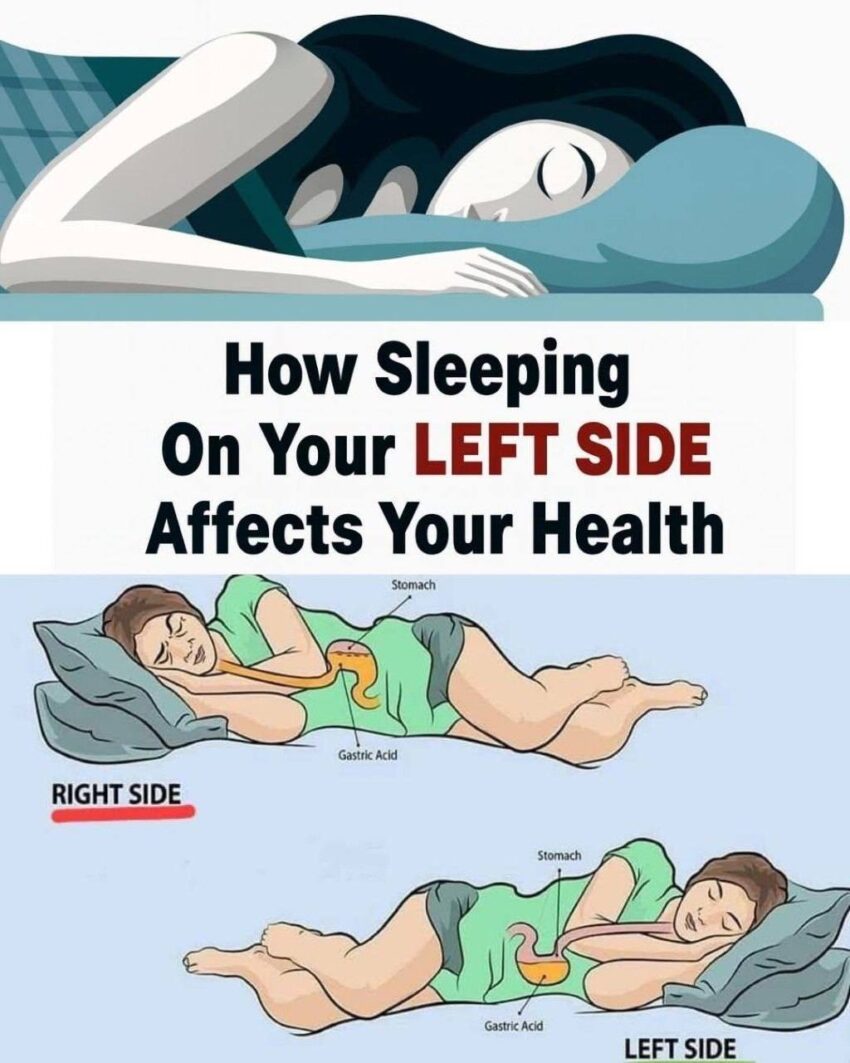
Sleeping on the right side is generally considered safe for most people, but there are some potential disadvantages depending on individual health conditions. Here’s a detailed breakdown:
1. Heartburn or Acid Reflux
- Sleeping on the right side may relax the lower esophageal sphincter, making it easier for stomach acid to flow back into the esophagus.
- People with gastroesophageal reflux disease (GERD) often find that right-side sleeping can worsen heartburn symptoms compared to sleeping on the left side.
2. Pressure on Internal Organs
- The right side can put more pressure on the liver and lungs, potentially leading to slight discomfort for people with liver issues or respiratory problems.
3. Impact on the Heart
- Although less risky than sleeping on the stomach, for people with certain heart conditions, right-side sleeping might slightly increase pressure on the heart, as it lies more to the left of the chest. Left-side sleeping is generally recommended for better cardiac function, especially in people with heart failure.
4. Shoulder or Hip Pain
- Lying on one side puts pressure on the shoulder and hip on that side. Over time, this can lead to discomfort or pain, especially if the mattress is too firm or soft.
5. Potential for Snoring
- Side sleeping generally reduces snoring compared to back sleeping, but some people notice that right-side sleeping increases airway restriction slightly more than left-side sleeping, though this varies individually.
Tips to Mitigate Disadvantages
- Use a supportive pillow for the head and neck.
- Place a pillow between the knees to reduce hip pressure.
- Consider switching sides if discomfort or acid reflux occurs.
If you want, I can make a quick chart comparing sleeping on the left side vs right side, which makes it very easy to see the pros and cons. Do you want me to do that?
