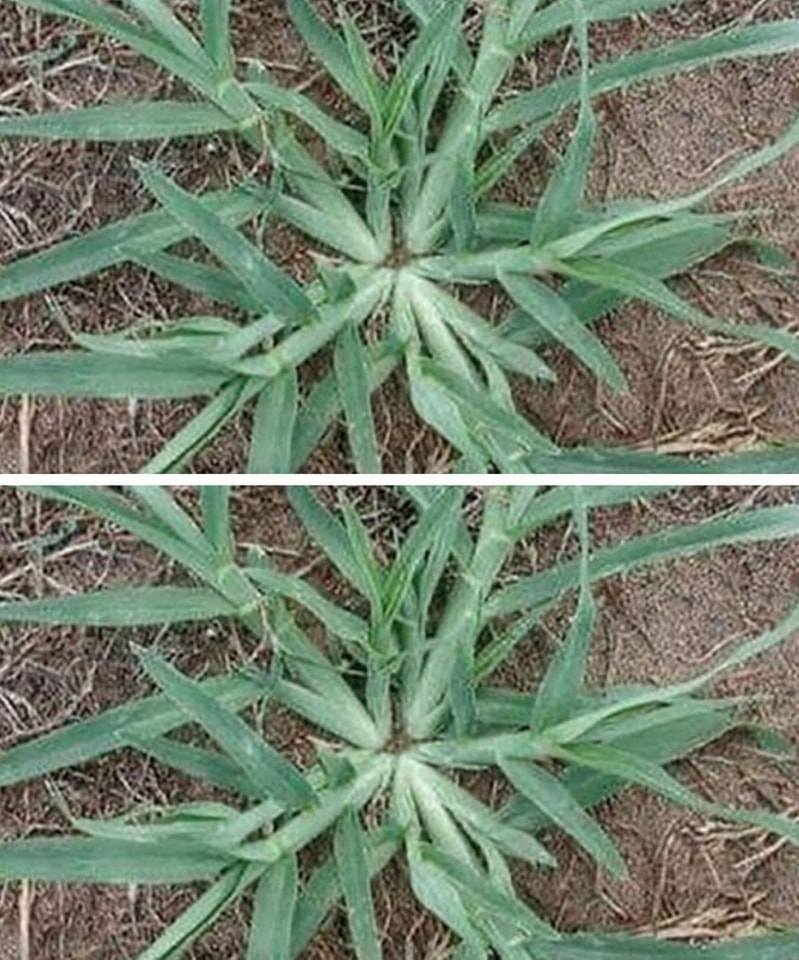
Digitaria sanguinalis is a species of grass commonly known as large crabgrass. 🌾 It’s a fast-growing annual plant often considered a weed in lawns, gardens, and agricultural fields.
Basic Characteristics
- Family: Grass family (Poaceae)
- Life cycle: Annual (grows from seed each year)
- Growth habit: Low-growing and spreading, forming wide mats across the ground
- Stems: Long and branching, often rooting where they touch the soil
Leaves and Seeds
- Leaves: Light to medium green, flat, and sometimes slightly hairy
- Seed heads: Finger-like clusters at the top of stems (usually 3–9 spikes spreading out like fingers)
- Seeds: Very small and numerous, allowing the plant to spread quickly
Habitat
This grass thrives in:
- Warm climates
- Disturbed soils
- Lawns and gardens
- Roadsides and crop fields
It grows especially well in sunny areas with compacted or poor soil.
Why It’s Considered a Weed
- Competes with lawn grasses and crops for water, nutrients, and sunlight
- Germinates quickly in late spring and spreads aggressively during summer
- Produces thousands of seeds, allowing it to return every year
Possible Uses
Although usually unwanted:
- Sometimes used as temporary livestock forage
- Helps reduce soil erosion because of its spreading roots
✅ Interesting fact: The genus name Digitaria comes from the Latin word for “finger,” referring to the finger-like shape of the seed heads.
If you want, I can also show you how to identify crabgrass quickly in a lawn and the easiest ways to get rid of it. 🌱
