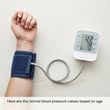
A digital blood pressure monitor is an electronic device that measures your blood pressure automatically, giving a quick and easy reading of both systolic and diastolic pressure, and often pulse rate as well. Here’s a detailed overview:
🔹 What It Is
- Type of device: Medical home-use device
- Function: Measures the pressure of blood against artery walls
- Components:
- Cuff – wrapped around the upper arm (or wrist for some models)
- Digital display – shows systolic/diastolic pressure and heart rate
- Inflation system – automatically inflates and deflates the cuff
🔹 How It Works
- The cuff inflates to temporarily stop blood flow in the artery.
- Sensors detect blood flow as the cuff deflates.
- The monitor calculates systolic (top number) and diastolic (bottom number) pressures digitally.
- Some monitors store readings for tracking over time.
🔹 Benefits
- Easy to use at home – no need for a stethoscope.
- Quick results – readings in seconds.
- Track trends – many models save multiple readings for days or weeks.
- Alerts – some advanced monitors detect irregular heartbeats.
🔹 Tips for Accurate Measurement
- Sit quietly for 5 minutes before measuring.
- Feet flat on the floor, back supported, arm at heart level.
- No talking or moving during measurement.
- Avoid caffeine or exercise 30 minutes before measuring.
- Take readings at the same time daily for consistency.
- Use upper-arm monitors rather than wrist ones for more accurate results.
🔹 Why It Matters
Monitoring blood pressure at home is important for:
- Detecting hypertension early
- Tracking effects of lifestyle changes or medications
- Reducing risk of stroke, heart attack, or kidney issues
If you want, I can also make a short guide comparing digital vs manual blood pressure monitors, with pros, cons, and which one is best for home use. That helps you choose the right device. Do you want me to do that?
